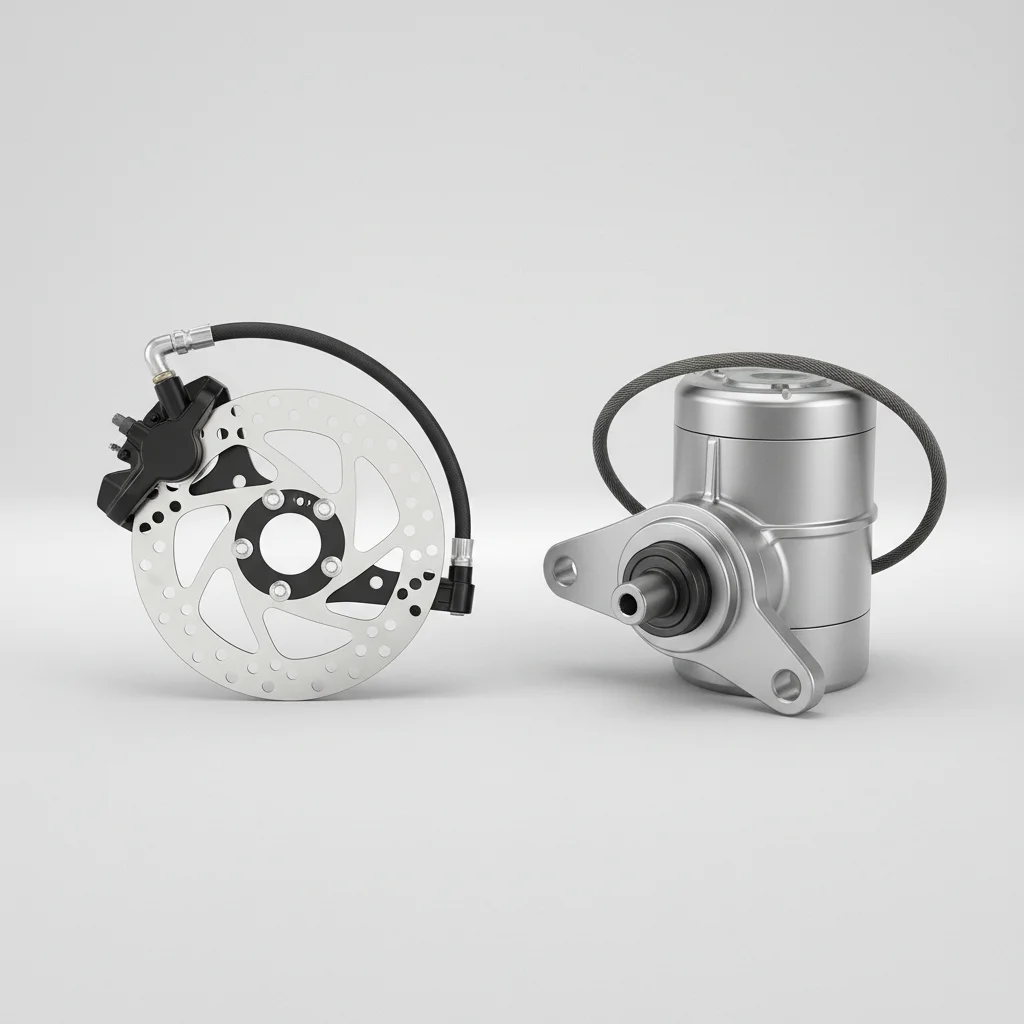
When it comes to electric scooter brakes, understanding the differences between disc and drum systems is crucial for both safety and performance. While both types effectively stop your scooter, disc brakes generally offer superior stopping power and heat dissipation, making them the better choice for most riders, especially those prioritizing performance and riding in varied conditions.
Disc Brakes: Superior Stopping Power and Modulation
Disc brakes operate by calipers squeezing pads against a rotor attached to the wheel. This design allows for excellent heat dissipation, which is vital during prolonged braking or on downhill rides, preventing brake fade. They are known for their strong stopping power and precise modulation, meaning you can control the braking force more accurately. This precision is a significant advantage in emergency situations or when navigating complex urban environments.
However, disc brakes typically require more maintenance than drum brakes. The pads wear down and need replacement, and the system can be susceptible to contamination from dirt and water, which can affect performance. They are also generally more exposed, making them slightly more vulnerable to damage from impacts.
Drum Brakes: Low Maintenance and Durability
Drum brakes, in contrast, house all their components within a sealed drum attached to the wheel hub. When the brake lever is squeezed, shoes press against the inside of the drum, creating friction and slowing the scooter. Their enclosed design makes them highly resistant to dirt, water, and other debris, resulting in lower maintenance requirements and increased durability.
While drum brakes are reliable and require less frequent adjustment, they generally offer less stopping power and modulation compared to disc brakes. They can also be more prone to heat buildup, which can lead to brake fade during intense use. This makes them a less ideal choice for high-performance scooters or riders who frequently encounter steep descents.
Hydraulic vs. Mechanical Disc Brakes
|
Our Picks for the Best Electric Scooter in 2026
As an Amazon Associate I earn from qualifying purchases.
|
||
| Num | Product | Action |
|---|---|---|
| 1 | Electric Scooter for Adults Kukirin G4/G2/G2max, 60V2000W Motor Fast Scooter 43MPH&47 Miles Range, 11 Inch Off-Road Tire Long Range Electric Scooter for Adults |

|
| 2 | Scooters for Kids 8-12, Teens & Adults - Foldable Commuter Scooter with Bell, Hand Brake & Adjustable Height, 220 LB Weight Capacity, Perfect for School, Campus, Park Rides |
|
| 3 | Aero Big Wheels Kick Scooter for Kids 6+, Teens & Adults | Light Up Wheels, Hand Brake, Rubber Deck Mat & Shock Absorption | Foldable & Height Adjustable |
|
| 4 | Aero Big Wheels Kick Scooter for Kids 6+, Teens & Adults | Light Up Wheels, Hand Brake, Rubber Deck Mat & Shock Absorption | Foldable & Height Adjustable |
|
| 5 | JBM Adult & Kid Skating Protective Gear Set for Beginner to Advanced, Skateboard Helmet Knee and Elbow Pads with Wrist Guards for Inline Roller Skating, Scooter, Skateboarding |
|
| 6 | isinwheel GT1/GT2 Electric Scooter Adults, 28 MPH Top Speed, 28/37Miles Range, 800/1000W Motor, 330LBS Load, Off-Road Scooter for Adults with Turn Signal (2025 Upgraded Version) |
|
| 7 | Electric Scooter for Adults, Up to 19/23/25Miles, Built in Side/Turn Light, 8.5/10" Honeycomb Solid Tires, Folding E-Scooter with Front/Dual Suspension |
|
| 8 | ZIFFY Scooter for Kids with Hand Brake, Foldable Kick Scooter for Ages 6-12, Lightweight Scooter for Boys with 4 Adjustable Heights, ABEC9 Bearings, Supports Up to 260 lbs by Jova |
|
| 9 | Caroma Peak 800W/1200W Electric Scooter with Seat, Max 15/20/30Miles&20MPH, 14"/20" Tires Foldable Adult Electric Scooter with Basket for Pets & Cargo, Dual Shock Absorbing EScooter for Commuting |
|
| 10 | Off Road Electric Scooter for Adult, 48V 13AH Folding E-Scooters, 800W Motor up to 25Mph & 28Miles Range,10" All Terrain Tire Scooter with Dual Suspension & Turn Signal Light |
|
Within the category of disc brakes, you’ll find both mechanical and hydraulic options. Mechanical disc brakes use a cable to actuate the caliper, offering a good balance of performance and cost. Hydraulic disc brakes, on the other hand, use fluid pressure to actuate the caliper, providing even greater stopping power, smoother modulation, and less hand fatigue. For riders seeking the absolute best braking performance, hydraulic disc brakes are the top choice, often found on premium electric scooter models.
- Hydraulic disc brakes offer superior stopping power and feel.
- Mechanical disc brakes provide a good balance of performance and affordability.
- Drum brakes are low maintenance and durable, ideal for casual riding.
- Consider your riding style and environment when choosing.
Maintenance Considerations for Both Brake Types
Regardless of the brake type, regular inspection and maintenance are crucial for safety. For disc brakes, this includes checking pad wear, rotor condition, and ensuring the calipers are clean and properly aligned. For drum brakes, periodic inspection of the shoes and internal components is recommended, though less frequent. Always refer to your scooter’s manual for specific maintenance schedules and procedures. Proper brake function is paramount for a safe riding experience.
When it’s time for an upgrade or replacement, consider thefor reliable and high-performance options. For everyday maintenance and cleaning supplies, theoffers a wide range of products to keep your brakes in top condition.
Which Brake System is Right for You?
The choice between disc and drum brakes ultimately depends on your riding habits, budget, and priorities. If you prioritize maximum stopping power, precise control, and frequently ride at higher speeds or on varied terrain, disc brakes, especially hydraulic ones, are the superior option. They offer the confidence and safety needed for more demanding conditions. However, if you’re a casual rider, prioritize low maintenance, and typically ride at moderate speeds on flat surfaces, drum brakes can be a perfectly adequate and reliable choice. Always test ride different scooters if possible to feel the difference in braking performance firsthand.
