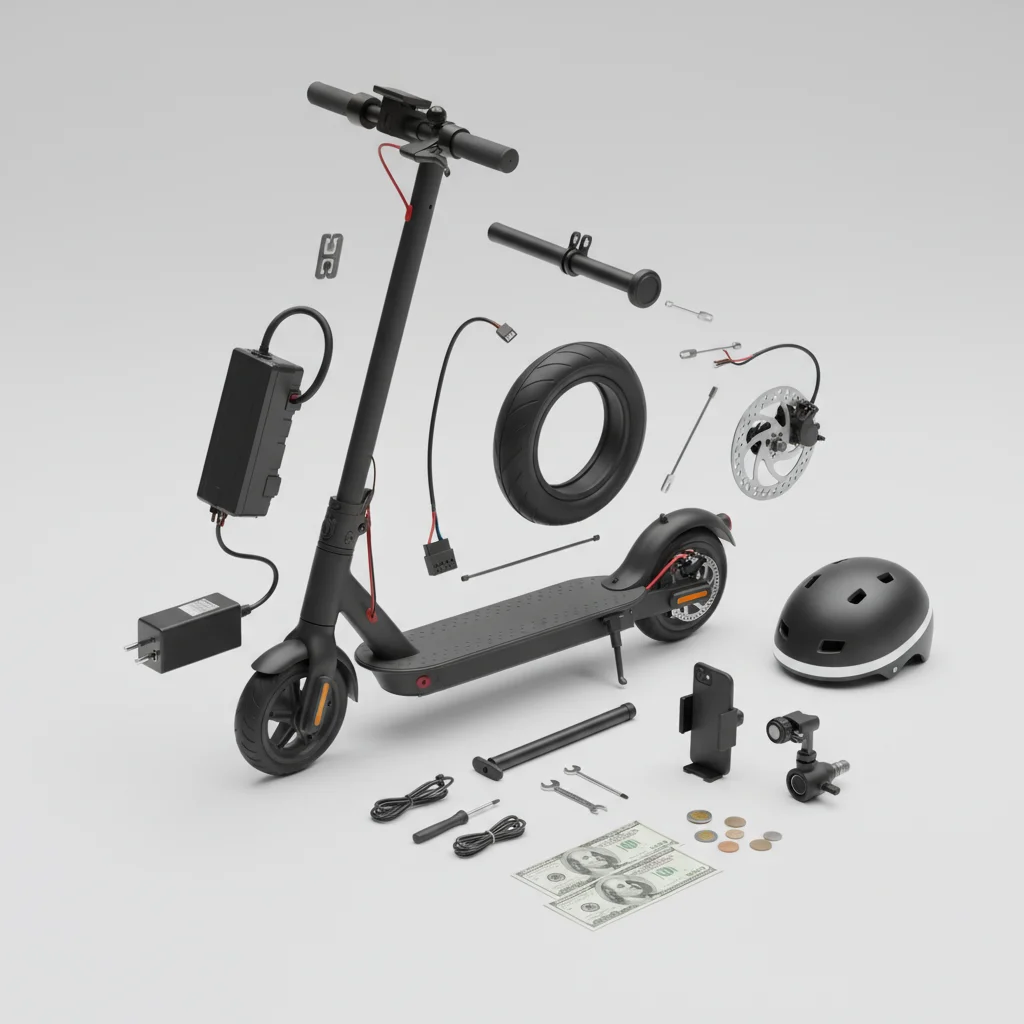
The total electric scooter cost can vary significantly, ranging from approximately $300 for entry-level models to over $3,000 for high-performance, long-range scooters. This price spectrum is influenced by factors such as motor power, battery capacity, build quality, suspension systems, and brand reputation. Understanding these components is key to budgeting for your ideal ride.
Factors Influencing Electric Scooter Price
Several key factors dictate the initial purchase price of an electric scooter. Motor wattage directly impacts speed and hill-climbing ability; higher wattage motors (e.g., 500W-1000W) typically command higher prices than lower wattage options (e.g., 250W-350W). Battery capacity, measured in watt-hours (Wh), is another major cost driver, as it determines the scooter’s range. Larger batteries mean longer rides but also a higher price tag. Premium materials like aircraft-grade aluminum or carbon fiber, advanced suspension systems, and integrated smart features also contribute to a higher cost.
Entry-Level Electric Scooters: Budget-Friendly Options
For riders on a tighter budget or those new to electric scooters, entry-level models offer an accessible starting point. These scooters typically cost between $300 and $600. They often feature smaller motors (250W-350W), more basic battery capacities (around 150-250Wh), and simpler designs without advanced suspension. While they may have a shorter range and lower top speeds, they are perfectly suitable for short commutes, campus travel, or recreational use. Brands like Hiboy and Gotrax frequently offer reliable options in this price bracket.
Mid-Range Electric Scooters: Balancing Performance and Price
|
Our Picks for the Best Electric Scooter in 2026
As an Amazon Associate I earn from qualifying purchases.
|
||
| Num | Product | Action |
|---|---|---|
| 1 | Electric Scooter for Adults Kukirin G4/G2/G2max, 60V2000W Motor Fast Scooter 43MPH&47 Miles Range, 11 Inch Off-Road Tire Long Range Electric Scooter for Adults |

|
| 2 | Caroma Peak 800W/1200W Electric Scooter with Seat, Max 15/20/30Miles&20MPH, 14"/20" Tires Foldable Adult Electric Scooter with Basket for Pets & Cargo, Dual Shock Absorbing EScooter for Commuting |
|
| 3 | Electric Scooter for Adults, Up to 19/23/25Miles, Built in Side/Turn Light, 8.5/10" Honeycomb Solid Tires, Folding E-Scooter with Front/Dual Suspension |
|
| 4 | JBM Adult & Kid Skating Protective Gear Set for Beginner to Advanced, Skateboard Helmet Knee and Elbow Pads with Wrist Guards for Inline Roller Skating, Scooter, Skateboarding |
|
| 5 | Scooters for Kids 8-12, Teens & Adults - Foldable Commuter Scooter with Bell, Hand Brake & Adjustable Height, 220 LB Weight Capacity, Perfect for School, Campus, Park Rides |
|
| 6 | isinwheel GT1/GT2 Electric Scooter Adults, 28 MPH Top Speed, 28/37Miles Range, 800/1000W Motor, 330LBS Load, Off-Road Scooter for Adults with Turn Signal (2025 Upgraded Version) |
|
| 7 | Off Road Electric Scooter for Adult, 48V 13AH Folding E-Scooters, 800W Motor up to 25Mph & 28Miles Range,10" All Terrain Tire Scooter with Dual Suspension & Turn Signal Light |
|
| 8 | ZIFFY Scooter for Kids with Hand Brake, Foldable Kick Scooter for Ages 6-12, Lightweight Scooter for Boys with 4 Adjustable Heights, ABEC9 Bearings, Supports Up to 260 lbs by Jova |
|
| 9 | Aero Big Wheels Kick Scooter for Kids 6+, Teens & Adults | Light Up Wheels, Hand Brake, Rubber Deck Mat & Shock Absorption | Foldable & Height Adjustable |
|
| 10 | Aero Big Wheels Kick Scooter for Kids 6+, Teens & Adults | Light Up Wheels, Hand Brake, Rubber Deck Mat & Shock Absorption | Foldable & Height Adjustable |
|
Mid-range electric scooters, priced from $600 to $1,200, strike a balance between performance and affordability. In this category, you’ll find scooters with more powerful motors (350W-700W), improved battery life offering ranges of 20-30 miles, and often some form of suspension for a more comfortable ride. These models are ideal for daily commuters who need a bit more speed, range, and durability than entry-level options provide. Many popular models from Segway-Ninebot and Apollo fall into this segment, offering enhanced features like pneumatic tires, disc brakes, and more robust frames.
High-End Electric Scooters: Premium Performance
At the top end of the market, high-end electric scooters can cost anywhere from $1,200 to over $3,000. These machines are built for enthusiasts seeking maximum performance, range, and comfort. They boast powerful dual motors (1000W+), large battery packs (500Wh+ for ranges exceeding 40 miles), advanced hydraulic or spring suspension, and superior braking systems. Features like robust build quality, advanced electronics, and often a more aggressive design are standard. Brands like Kaabo, Nami, and Vsett dominate this segment, catering to riders who demand the best for long-distance travel, off-road adventures, or high-speed commuting.
Beyond the Purchase Price: Additional Costs to Consider
While the initial purchase is the largest expense, it’s important to factor in other potential costs over the lifespan of your electric scooter. These can include:
- Safety Gear: A helmet is essential, and gloves, knee pads, and elbow pads are highly recommended.
- Maintenance: Tires, brake pads, and occasional battery replacements can add up.
- Accessories: Locks, phone mounts, and carrying bags enhance the riding experience.
- Insurance: While not always mandatory, some riders opt for theft or liability insurance.
- Charging: The electricity cost is minimal but still a factor for frequent riders.
Considering these ongoing expenses will give you a more complete picture of the true cost of electric scooter ownership.

Understanding the impact of battery capacity on range and price was super helpful. I ended up choosing a scooter with a larger battery than I initially planned, and I’m glad I did. It means I can do my errands and still have plenty of charge left, without constantly worrying about finding a charging spot. The build quality is also pretty solid for what I paid.
I’ve been riding electric scooters for years, and the breakdown of how motor wattage affects cost was spot on. My current high-performance scooter, which cost me over $2,500, has a fantastic 1000W motor and the range is incredible. It’s definitely worth investing in a higher wattage if you need that extra power and speed for longer distances.
I picked up a scooter with a 750W motor, hoping for better hill climbing, and it does okay. However, I was a bit disappointed with the suspension system on my model. It’s not as smooth over bumps as I’d hoped, especially for the price I paid in the mid-range. Next time, I’ll definitely look for something with a more robust suspension.
I was really on the fence about getting an electric scooter, but after reading about the different price points, I decided to go for an entry-level model around $400. It’s been perfect for my daily commute to work, saving me so much on gas. The battery capacity is just right for my needs, and I don’t feel like I overspent.