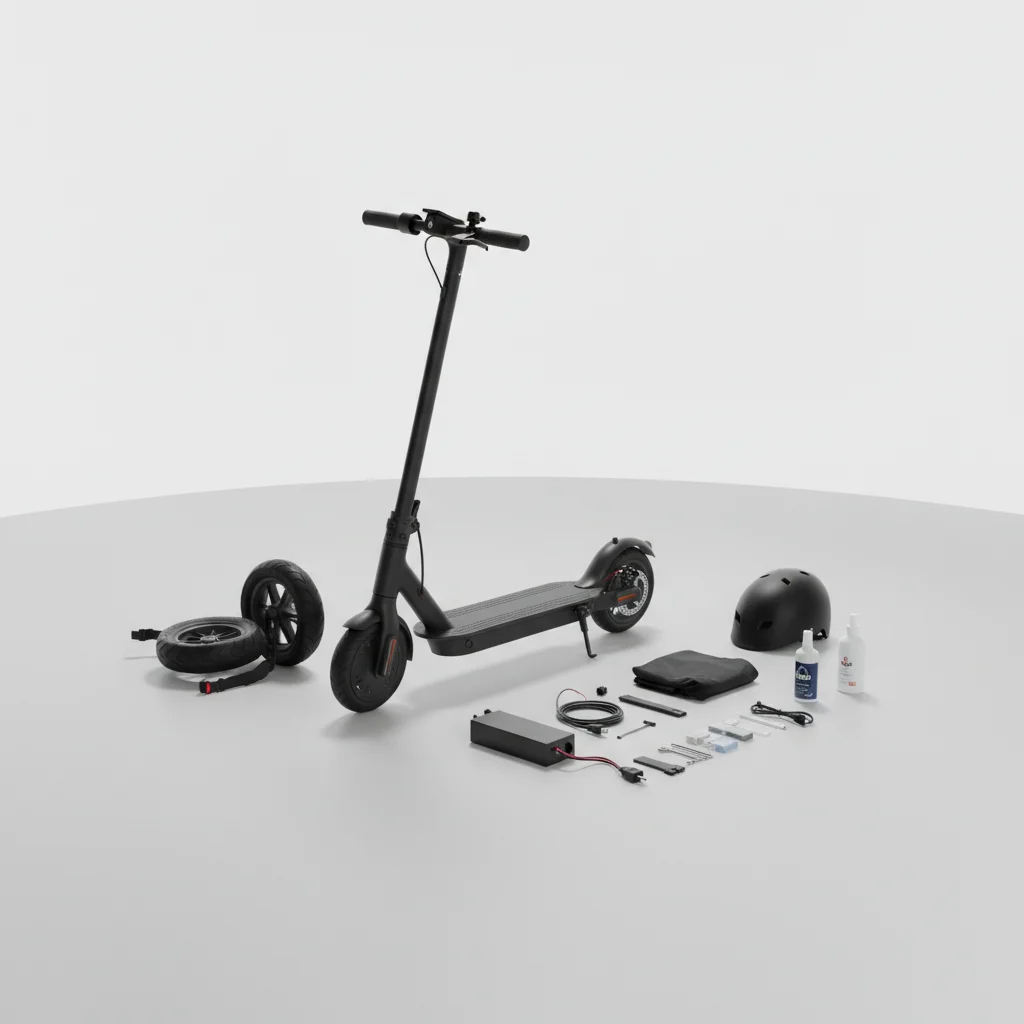
The average electric scooter cost ranges from $300 to $2,000, with premium models exceeding $4,000. This wide price spectrum reflects significant differences in motor power, battery capacity, suspension systems, and overall build quality. Understanding these factors is crucial for budgeting effectively and choosing a scooter that meets your specific needs without overspending or compromising on essential features.
Factors Influencing Electric Scooter Price
Several key components dictate an electric scooter’s price. The motor’s wattage directly impacts speed and hill-climbing ability; higher wattage generally means a higher price. Battery capacity, measured in watt-hours (Wh), determines range, and larger batteries are more expensive. High-quality suspension systems, often found in more expensive models, provide a smoother ride, especially on uneven terrain. Additionally, premium materials like aircraft-grade aluminum or carbon fiber contribute to durability and a higher price point.
Brand reputation and warranty also play a role. Established brands often command higher prices due to their proven reliability, customer support, and extensive research and development. Always consider the long-term value, including potential maintenance costs and the availability of spare parts, when evaluating the initial purchase price.
Entry-Level Electric Scooters: Under $500
Electric scooters in the sub-$500 category are typically designed for casual use, short commutes, and riders new to the electric scooter scene. These models often feature smaller motors (250-350W), more basic braking systems (often rear disc or electronic), and limited suspension, if any. Their top speeds usually hover around 15-20 mph, and ranges are generally under 15 miles per charge. While they offer an affordable entry point, riders should manage expectations regarding performance and comfort over longer distances or rougher surfaces. They are ideal for last-mile solutions or quick trips around a neighborhood.
- Basic motor (250-350W)
- Limited range (under 15 miles)
- Minimal or no suspension
- Suitable for flat, short commutes
- Often lighter and more portable
Mid-Range Electric Scooters: $500 – $1,500
|
Our Picks for the Best Electric Scooter in 2026
As an Amazon Associate I earn from qualifying purchases.
|
||
| Num | Product | Action |
|---|---|---|
| 1 | ZIFFY Scooter for Kids with Hand Brake, Foldable Kick Scooter for Ages 6-12, Lightweight Scooter for Boys with 4 Adjustable Heights, ABEC9 Bearings, Supports Up to 260 lbs by Jova |

|
| 2 | Electric Scooter for Adults Kukirin G4/G2/G2max, 60V2000W Motor Fast Scooter 43MPH&47 Miles Range, 11 Inch Off-Road Tire Long Range Electric Scooter for Adults |
|
| 3 | Off Road Electric Scooter for Adult, 48V 13AH Folding E-Scooters, 800W Motor up to 25Mph & 28Miles Range,10" All Terrain Tire Scooter with Dual Suspension & Turn Signal Light |
|
| 4 | isinwheel GT1/GT2 Electric Scooter Adults, 28 MPH Top Speed, 28/37Miles Range, 800/1000W Motor, 330LBS Load, Off-Road Scooter for Adults with Turn Signal (2025 Upgraded Version) |
|
| 5 | Scooters for Kids 8-12, Teens & Adults - Foldable Commuter Scooter with Bell, Hand Brake & Adjustable Height, 220 LB Weight Capacity, Perfect for School, Campus, Park Rides |
|
| 6 | Electric Scooter for Adults, Up to 19/23/25Miles, Built in Side/Turn Light, 8.5/10" Honeycomb Solid Tires, Folding E-Scooter with Front/Dual Suspension |
|
| 7 | Caroma Peak 800W/1200W Electric Scooter with Seat, Max 15/20/30Miles&20MPH, 14"/20" Tires Foldable Adult Electric Scooter with Basket for Pets & Cargo, Dual Shock Absorbing EScooter for Commuting |
|
| 8 | JBM Adult & Kid Skating Protective Gear Set for Beginner to Advanced, Skateboard Helmet Knee and Elbow Pads with Wrist Guards for Inline Roller Skating, Scooter, Skateboarding |
|
| 9 | Aero Big Wheels Kick Scooter for Kids 6+, Teens & Adults | Light Up Wheels, Hand Brake, Rubber Deck Mat & Shock Absorption | Foldable & Height Adjustable |
|
| 10 | Aero Big Wheels Kick Scooter for Kids 6+, Teens & Adults | Light Up Wheels, Hand Brake, Rubber Deck Mat & Shock Absorption | Foldable & Height Adjustable |
|
The $500 to $1,500 price bracket offers a significant upgrade in performance, features, and build quality. Scooters in this range typically boast more powerful motors (350-700W), improved battery life for ranges of 20-40 miles, and better suspension systems, including front and sometimes rear shock absorption. You’ll also find more robust braking systems, often dual disc brakes, and enhanced lighting for night riding. These scooters are well-suited for daily commuting, longer rides, and riders who prioritize a balance of performance, comfort, and durability. Many popular commuter models fall into this category, providing excellent value for money.
Premium Electric Scooters: Over $1,500
Electric scooters priced above $1,500 are designed for enthusiasts, heavy-duty use, or riders demanding top-tier performance. This segment includes dual-motor scooters with combined wattages exceeding 1000W, offering impressive acceleration and hill-climbing capabilities. Battery capacities are significantly larger, providing ranges of 40 miles or more. Full hydraulic suspension, advanced braking systems, and robust, often rugged, construction are standard. These scooters are built for speed, long distances, and tackling varied terrain, including light off-roading. While the initial investment is higher, they offer unparalleled performance and a premium riding experience.
Budgeting for Accessories and Maintenance
Beyond the initial purchase price, it’s important to budget for essential accessories and potential maintenance. A good quality helmet is non-negotiable, costing anywhere from $50 to $200. A reliable lock (U-lock or chain) is crucial for security, typically $30-$100. Other useful accessories include phone mounts, extra lights, and carrying bags. Maintenance costs can include tire replacements (flats are common), brake adjustments, and eventual battery replacement, which can be a significant expense. Factor in about $50-$150 annually for routine maintenance and minor repairs, depending on your usage and riding conditions.

I was really on the fence about how much to spend, but the breakdown of motor wattage and battery capacity in the post helped me understand where my money was going. I ended up getting a mid-range model around $800, and it’s perfect for my daily commute. The hill-climbing ability is surprisingly good, even with my backpack.
This was super helpful for setting my budget. I learned that the premium models over $4,000 were way out of my league, but understanding why they cost so much (like the build quality and range) made sense. I found a great scooter for around $1,200 that has a decent battery capacity for my longer rides, and I’m very happy with it.
I’ve been riding scooters for years, and this really nails the factors influencing price. The point about watt-hours for battery capacity is spot on for determining range. It’s easy to get caught up in just speed, but range is crucial for practical use. My current scooter has a high Wh battery, and it’s worth every penny for the peace of mind.
I appreciate the info on suspension systems. I went with a cheaper model, under $400, and while it’s fine for smooth pavement, any bumps feel pretty rough. I wish I’d splurged a bit more for better suspension, as the ride quality really suffers on less-than-perfect roads. Next time, I’ll definitely prioritize that feature.