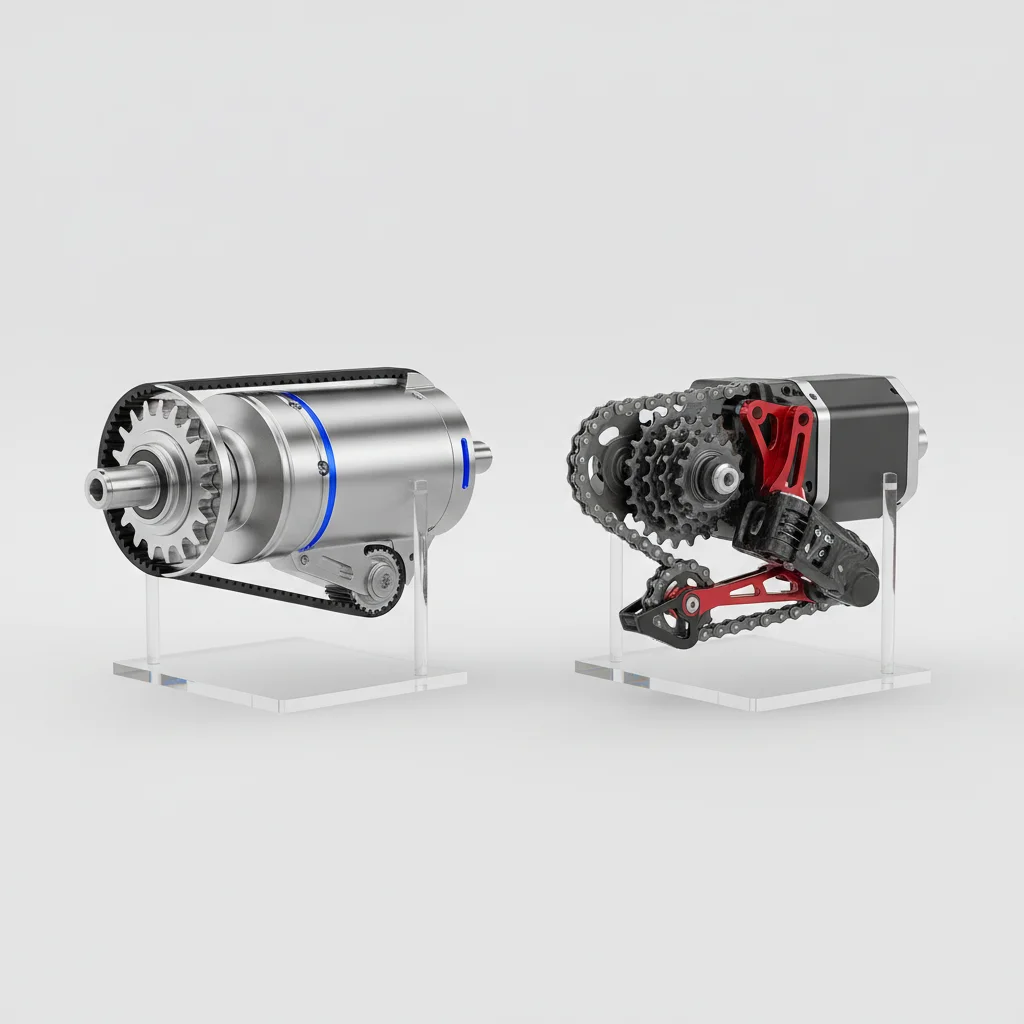
When considering electric scooter gearing, the choice between single-speed and multi-speed systems largely depends on your riding environment and performance expectations. For most urban commuters, a single-speed electric scooter offers simplicity and sufficient power, while riders tackling varied terrain or seeking more control over acceleration will benefit from a multi-speed setup.
Understanding Single-Speed Electric Scooters
Single-speed electric scooters are the most common type, characterized by a direct drive system or a simple gear reduction that provides a fixed ratio between the motor and the wheel. This design is inherently simpler, leading to lower manufacturing costs, less maintenance, and often a lighter overall weight. They excel in flat urban environments where consistent speed and predictable acceleration are prioritized. The motor is typically optimized for a balance of torque and top speed within a specific range, making them ideal for casual rides and daily commutes without significant inclines.
The primary advantage of a single-speed system is its ease of use. There’s no need to shift gears, allowing riders to focus solely on steering and braking. This simplicity also translates to greater reliability, as there are fewer moving parts to wear out or malfunction. However, their fixed gearing can be a disadvantage when encountering steep hills, as the motor may struggle to maintain speed, or when trying to achieve rapid acceleration from a standstill.
The Advantages of Multi-Speed Electric Scooters
Multi-speed electric scooters, while less common, offer a more versatile riding experience. These systems typically incorporate a gearbox or a hub motor with internal gearing that allows for different gear ratios. This enables riders to select a lower gear for increased torque when climbing hills or accelerating quickly, and a higher gear for maintaining top speed on flat terrain with less motor strain. This adaptability makes them suitable for diverse landscapes, from city streets with varying elevations to light off-road trails.
The ability to shift gears provides greater control over the scooter’s performance and can also improve battery efficiency. By using the appropriate gear for the riding conditions, the motor operates more efficiently, potentially extending the scooter’s range. While multi-speed scooters offer enhanced performance and flexibility, they do come with added complexity, which can mean a higher purchase price and potentially more maintenance requirements due to the additional mechanical components.
Key Considerations for Your Riding Style
|
Our Picks for the Best Electric Scooter in 2026
As an Amazon Associate I earn from qualifying purchases.
|
||
| Num | Product | Action |
|---|---|---|
| 1 | Aero Big Wheels Kick Scooter for Kids 6+, Teens & Adults | Light Up Wheels, Hand Brake, Rubber Deck Mat & Shock Absorption | Foldable & Height Adjustable |

|
| 2 | isinwheel GT1/GT2 Electric Scooter Adults, 28 MPH Top Speed, 28/37Miles Range, 800/1000W Motor, 330LBS Load, Off-Road Scooter for Adults with Turn Signal (2025 Upgraded Version) |
|
| 3 | ZIFFY Scooter for Kids with Hand Brake, Foldable Kick Scooter for Ages 6-12, Lightweight Scooter for Boys with 4 Adjustable Heights, ABEC9 Bearings, Supports Up to 260 lbs by Jova |
|
| 4 | JBM Adult & Kid Skating Protective Gear Set for Beginner to Advanced, Skateboard Helmet Knee and Elbow Pads with Wrist Guards for Inline Roller Skating, Scooter, Skateboarding |
|
| 5 | Off Road Electric Scooter for Adult, 48V 13AH Folding E-Scooters, 800W Motor up to 25Mph & 28Miles Range,10" All Terrain Tire Scooter with Dual Suspension & Turn Signal Light |
|
| 6 | Electric Scooter for Adults, Up to 19/23/25Miles, Built in Side/Turn Light, 8.5/10" Honeycomb Solid Tires, Folding E-Scooter with Front/Dual Suspension |
|
| 7 | Scooters for Kids 8-12, Teens & Adults - Foldable Commuter Scooter with Bell, Hand Brake & Adjustable Height, 220 LB Weight Capacity, Perfect for School, Campus, Park Rides |
|
| 8 | Electric Scooter for Adults Kukirin G4/G2/G2max, 60V2000W Motor Fast Scooter 43MPH&47 Miles Range, 11 Inch Off-Road Tire Long Range Electric Scooter for Adults |
|
| 9 | Caroma Peak 800W/1200W Electric Scooter with Seat, Max 15/20/30Miles&20MPH, 14"/20" Tires Foldable Adult Electric Scooter with Basket for Pets & Cargo, Dual Shock Absorbing EScooter for Commuting |
|
| 10 | Aero Big Wheels Kick Scooter for Kids 6+, Teens & Adults | Light Up Wheels, Hand Brake, Rubber Deck Mat & Shock Absorption | Foldable & Height Adjustable |
|
When deciding between single-speed and multi-speed electric scooter gearing, consider your typical riding environment. If your commute involves mostly flat roads and you value simplicity and low maintenance, a single-speed model is likely sufficient. These scooters are often more affordable and perfectly capable for everyday urban use.
However, if you frequently encounter steep hills, desire quicker acceleration, or plan to ride on varied terrain, a multi-speed electric scooter might be a better investment. The added control and performance benefits can significantly enhance your riding experience, making challenging routes more manageable and enjoyable. It’s also worth noting that some high-performance electric scooters achieve impressive hill-climbing capabilities with powerful single-speed motors, so motor wattage also plays a crucial role.
Maintenance Differences and Longevity
The maintenance requirements for single-speed and multi-speed electric scooters differ due to their mechanical complexity. Single-speed scooters, with their fewer moving parts, generally require less frequent and simpler maintenance. This often involves routine checks of the motor and drive system for any signs of wear or damage, and ensuring all connections are secure. The simplicity of the design contributes to their overall longevity and reliability.
- Regularly check gear cables for tension and fraying (multi-speed).
- Keep all moving parts clean and lubricated (multi-speed).
- Inspect the gearbox for unusual noises or resistance (multi-speed).
- Ensure motor connections are secure (both types).
- Monitor battery health for optimal performance (both types).
Multi-speed scooters, on the other hand, will require additional attention to their gearing system. This includes checking gear cables for proper tension and lubrication, inspecting the shifter mechanism for smooth operation, and ensuring the gears themselves are free from debris and wear. While this adds a layer of maintenance, proper care can ensure the longevity and continued performance of the multi-speed system.
Making the Right Choice for Your Commute
Ultimately, the
