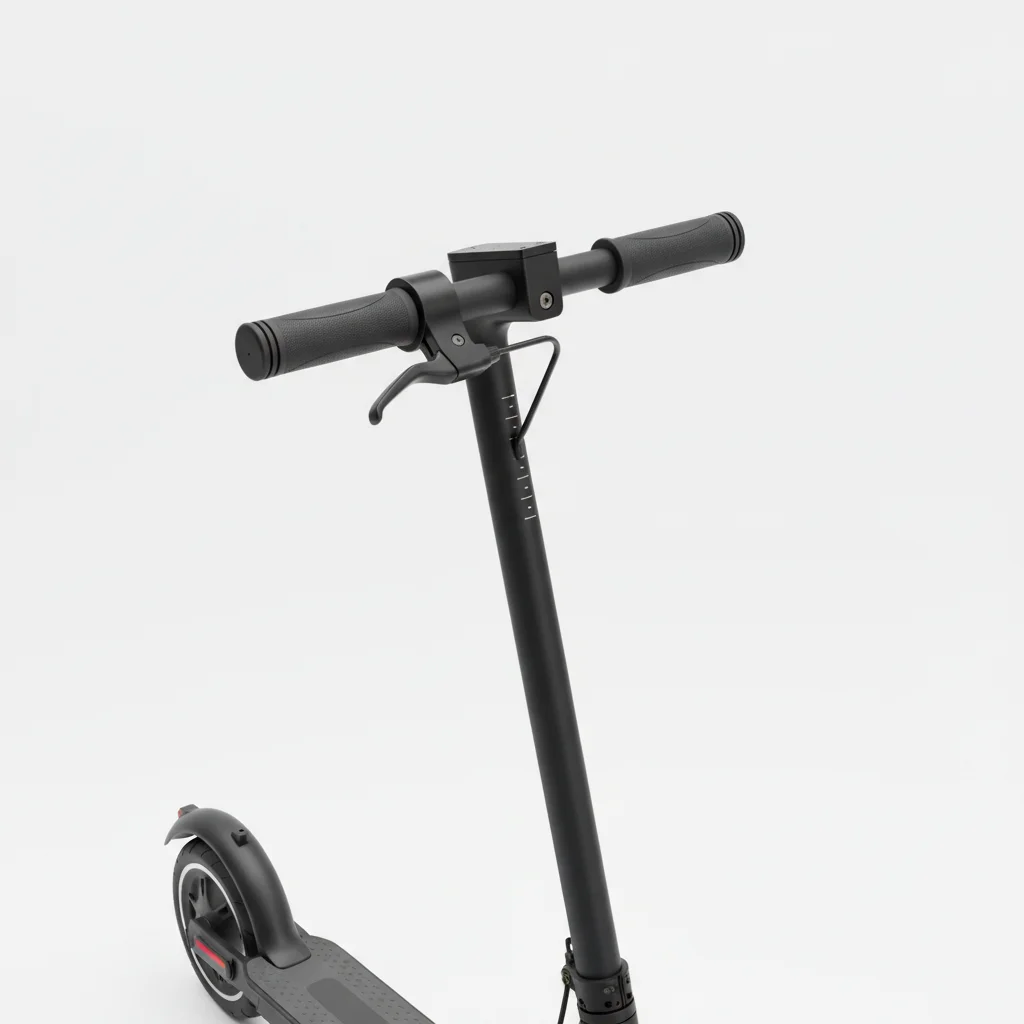
Adjusting your electric scooter handlebar height is crucial for a comfortable and safe ride, and it’s a simple process that typically takes less than 10 minutes. The ideal handlebar height ensures proper posture, reduces strain on your back and arms, and improves overall control. Most electric scooters offer some form of height adjustment, whether through a quick-release clamp or a more involved bolt system, allowing riders to customize their setup for optimal ergonomics.
Why Proper Handlebar Height Matters for Your Ride
Riding an electric scooter with improperly set handlebars can lead to a variety of issues, from minor discomfort to significant safety risks. If the handlebars are too low, you might find yourself hunching over, which can cause back pain, neck strain, and fatigue, especially on longer rides. Conversely, handlebars that are too high can make the scooter feel less stable, reduce your ability to react quickly, and put undue stress on your shoulders and wrists. Achieving the correct height promotes a natural, upright posture, distributing your weight evenly and enhancing your ability to steer and brake effectively.
Beyond comfort, proper handlebar height directly impacts your control over the scooter. A well-adjusted handlebar allows for precise steering inputs and better balance, which is vital for navigating traffic, uneven terrain, and sudden obstacles. It also ensures that your hands are in a natural position to access brakes and other controls without stretching or straining. Investing a few minutes to fine-tune this setting can significantly improve your riding experience and reduce the likelihood of accidents.
Tools and Steps for Adjusting Handlebar Height
The specific tools needed for handlebar adjustment depend on your scooter’s design, but generally, you’ll need an Allen wrench set (often 4mm, 5mm, or 6mm) and sometimes a crescent wrench. Always consult your scooter’s user manual for precise instructions. The most common adjustment mechanisms involve either a quick-release clamp or a series of bolts that secure the stem. Before you begin, ensure your scooter is powered off and on a stable surface.
- Locate the adjustment mechanism on your scooter’s stem.
- Loosen the quick-release clamp or the bolts securing the handlebar stem.
- Carefully raise or lower the handlebars to your desired height.
- Ensure the handlebars are aligned straight with the front wheel.
- Tighten the clamp or bolts securely, checking for any wobble.
Finding Your Ideal Handlebar Height
|
Our Picks for the Best Electric Scooter in 2026
As an Amazon Associate I earn from qualifying purchases.
|
||
| Num | Product | Action |
|---|---|---|
| 1 | Off Road Electric Scooter for Adult, 48V 13AH Folding E-Scooters, 800W Motor up to 25Mph & 28Miles Range,10" All Terrain Tire Scooter with Dual Suspension & Turn Signal Light |

|
| 2 | JBM Adult & Kid Skating Protective Gear Set for Beginner to Advanced, Skateboard Helmet Knee and Elbow Pads with Wrist Guards for Inline Roller Skating, Scooter, Skateboarding |
|
| 3 | ZIFFY Scooter for Kids with Hand Brake, Foldable Kick Scooter for Ages 6-12, Lightweight Scooter for Boys with 4 Adjustable Heights, ABEC9 Bearings, Supports Up to 260 lbs by Jova |
|
| 4 | Scooters for Kids 8-12, Teens & Adults - Foldable Commuter Scooter with Bell, Hand Brake & Adjustable Height, 220 LB Weight Capacity, Perfect for School, Campus, Park Rides |
|
| 5 | Aero Big Wheels Kick Scooter for Kids 6+, Teens & Adults | Light Up Wheels, Hand Brake, Rubber Deck Mat & Shock Absorption | Foldable & Height Adjustable |
|
| 6 | Electric Scooter for Adults, Up to 19/23/25Miles, Built in Side/Turn Light, 8.5/10" Honeycomb Solid Tires, Folding E-Scooter with Front/Dual Suspension |
|
| 7 | Caroma Peak 800W/1200W Electric Scooter with Seat, Max 15/20/30Miles&20MPH, 14"/20" Tires Foldable Adult Electric Scooter with Basket for Pets & Cargo, Dual Shock Absorbing EScooter for Commuting |
|
| 8 | isinwheel GT1/GT2 Electric Scooter Adults, 28 MPH Top Speed, 28/37Miles Range, 800/1000W Motor, 330LBS Load, Off-Road Scooter for Adults with Turn Signal (2025 Upgraded Version) |
|
| 9 | Aero Big Wheels Kick Scooter for Kids 6+, Teens & Adults | Light Up Wheels, Hand Brake, Rubber Deck Mat & Shock Absorption | Foldable & Height Adjustable |
|
| 10 | Electric Scooter for Adults Kukirin G4/G2/G2max, 60V2000W Motor Fast Scooter 43MPH&47 Miles Range, 11 Inch Off-Road Tire Long Range Electric Scooter for Adults |
|
Determining the perfect handlebar height is largely a matter of personal preference and body geometry, but there are some general guidelines to follow. A good starting point is to stand on your scooter with both feet and have the handlebars at a height where your arms are slightly bent at the elbows, and your back is relatively straight. Your wrists should be in a neutral position, not bent sharply up or down. Experiment with small adjustments and take short rides to test the feel.
Consider the type of riding you do most often. For aggressive or sporty riding, some riders prefer a slightly lower handlebar for better control and a more aerodynamic stance. For casual commuting or touring, a higher handlebar might offer more comfort and a more relaxed posture. Don’t be afraid to make incremental changes until you find the sweet spot that feels most natural and comfortable for you. Remember, comfort directly translates to safety and enjoyment on your electric scooter.
Common Handlebar Adjustment Issues and Troubleshooting
While adjusting handlebar height is usually straightforward, you might encounter a few common issues. One frequent problem is handlebars that slip down after adjustment, which typically indicates that the quick-release clamp or bolts were not tightened sufficiently. Always ensure all fasteners are snug, but avoid over-tightening, which can strip threads or damage components. If your handlebars feel wobbly even after tightening, check for any play in the stem’s internal mechanism or worn parts that might require replacement.
Another issue can be difficulty in moving the stem up or down. This might be due to dirt or corrosion inside the stem tube. Applying a small amount of silicone lubricant can help, but always clean the area thoroughly first. If you’re unable to achieve a comfortable height with your current scooter, it might be worth considering aftermarket handlebar extensions or even a different scooter model designed for a wider range of rider heights.For more advanced adjustments or if you’re unsure about the process, consulting a professional scooter mechanic is always a good idea to ensure your scooter remains safe and functional.
