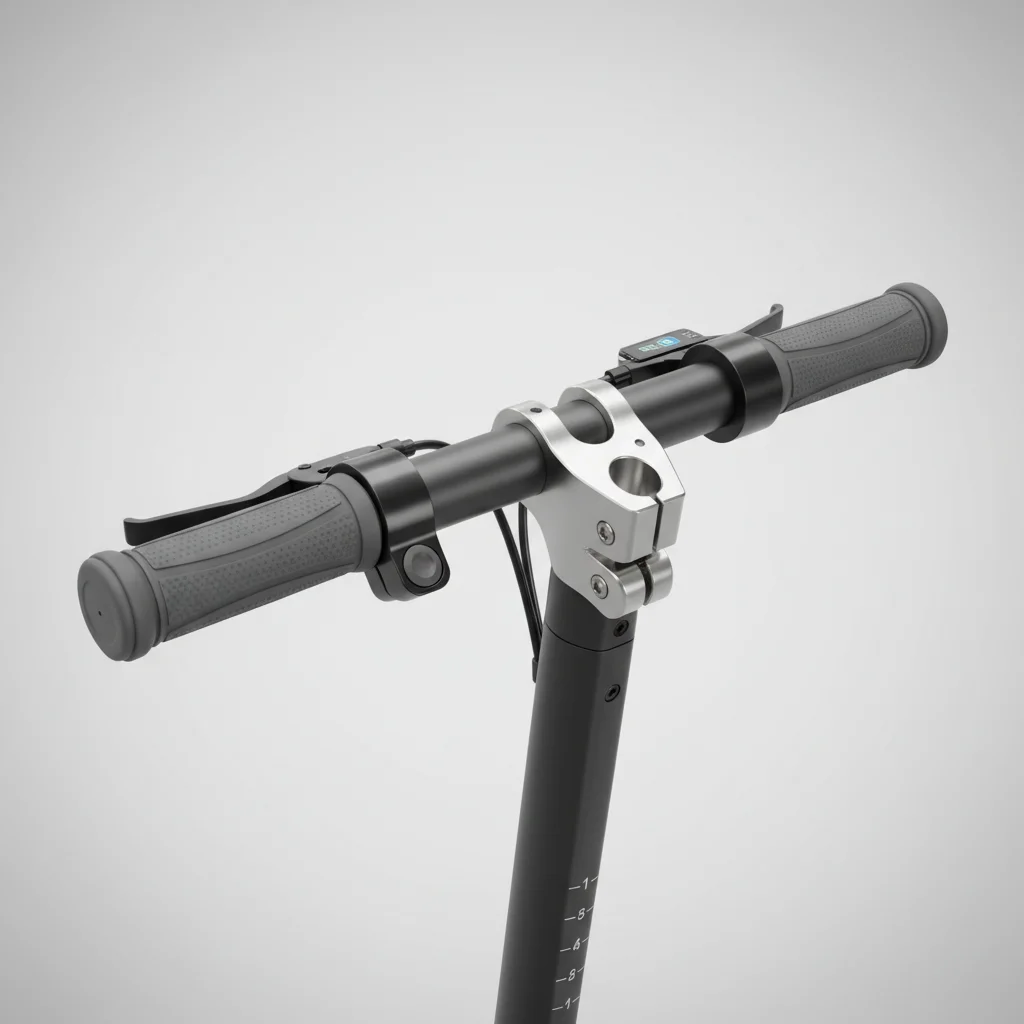
Yes, many electric scooter handlebars are adjustable, offering riders the ability to customize their height for optimal comfort and control. This adjustability is a key feature for riders of varying heights, ensuring a more ergonomic and safer riding experience. While not all models offer this feature, a significant number of modern electric scooters incorporate adjustable handlebars to cater to a wider user base.
Why Adjustable Handlebars Matter for Rider Comfort
Adjustable handlebars play a crucial role in rider comfort and posture. When handlebars are set at the correct height, riders can maintain a more upright and natural position, reducing strain on their back, shoulders, and wrists. This is particularly important for longer commutes or extended rides, where poor posture can lead to discomfort and fatigue. The ideal handlebar height typically allows for a slight bend in the elbows when holding the grips, without requiring the rider to hunch over or stretch excessively.
Beyond comfort, proper handlebar height also contributes to better control and maneuverability. A rider with well-adjusted handlebars can react more quickly to obstacles and navigate turns with greater precision. This enhanced control is a significant safety benefit, especially in urban environments with unpredictable traffic and pedestrian movement.
Types of Handlebar Adjustment Mechanisms
There are several common mechanisms for adjusting electric scooter handlebars. The most prevalent is a telescoping stem, where the handlebar column can be extended or retracted and then secured with a quick-release clamp or a bolt-tightening system. Some advanced models might feature a more sophisticated lever-based system for quicker and tool-free adjustments. Less common, but still present, are designs where the angle of the handlebars can be slightly altered, though this is more about rider preference for grip position than overall height.
- Telescoping stem with quick-release clamp for easy height changes.
- Bolt-tightening system for a more secure, but less frequent, adjustment.
- Lever-based mechanisms for rapid, tool-free height modifications.
- Fixed handlebars on some entry-level or specialized performance models.
- Angle adjustment for grip preference on select high-end scooters.
How to Properly Adjust Your Electric Scooter Handlebars
|
Our Picks for the Best Electric Scooter in 2026
As an Amazon Associate I earn from qualifying purchases.
|
||
| Num | Product | Action |
|---|---|---|
| 1 | Aero Big Wheels Kick Scooter for Kids 6+, Teens & Adults | Light Up Wheels, Hand Brake, Rubber Deck Mat & Shock Absorption | Foldable & Height Adjustable |

|
| 2 | Scooters for Kids 8-12, Teens & Adults - Foldable Commuter Scooter with Bell, Hand Brake & Adjustable Height, 220 LB Weight Capacity, Perfect for School, Campus, Park Rides |
|
| 3 | Off Road Electric Scooter for Adult, 48V 13AH Folding E-Scooters, 800W Motor up to 25Mph & 28Miles Range,10" All Terrain Tire Scooter with Dual Suspension & Turn Signal Light |
|
| 4 | Electric Scooter for Adults Kukirin G4/G2/G2max, 60V2000W Motor Fast Scooter 43MPH&47 Miles Range, 11 Inch Off-Road Tire Long Range Electric Scooter for Adults |
|
| 5 | ZIFFY Scooter for Kids with Hand Brake, Foldable Kick Scooter for Ages 6-12, Lightweight Scooter for Boys with 4 Adjustable Heights, ABEC9 Bearings, Supports Up to 260 lbs by Jova |
|
| 6 | Electric Scooter for Adults, Up to 19/23/25Miles, Built in Side/Turn Light, 8.5/10" Honeycomb Solid Tires, Folding E-Scooter with Front/Dual Suspension |
|
| 7 | isinwheel GT1/GT2 Electric Scooter Adults, 28 MPH Top Speed, 28/37Miles Range, 800/1000W Motor, 330LBS Load, Off-Road Scooter for Adults with Turn Signal (2025 Upgraded Version) |
|
| 8 | Caroma Peak 800W/1200W Electric Scooter with Seat, Max 15/20/30Miles&20MPH, 14"/20" Tires Foldable Adult Electric Scooter with Basket for Pets & Cargo, Dual Shock Absorbing EScooter for Commuting |
|
| 9 | JBM Adult & Kid Skating Protective Gear Set for Beginner to Advanced, Skateboard Helmet Knee and Elbow Pads with Wrist Guards for Inline Roller Skating, Scooter, Skateboarding |
|
| 10 | Aero Big Wheels Kick Scooter for Kids 6+, Teens & Adults | Light Up Wheels, Hand Brake, Rubber Deck Mat & Shock Absorption | Foldable & Height Adjustable |
|
Adjusting your electric scooter handlebars for the first time should be done carefully to find your ideal setting. Start by loosening the quick-release clamp or bolts on the stem. Stand on the scooter with both feet and hold the handlebars. Adjust the height until your arms have a slight bend at the elbows and your back is relatively straight. Avoid setting them too low, which can cause back strain, or too high, which can reduce control. Once you find a comfortable height, securely tighten the clamp or bolts. Always double-check that the handlebars are firmly locked in place before riding to prevent any movement during operation.
It’s a good idea to test the new setting in a safe, open area before heading out on a busy street. Pay attention to how the scooter feels during turns and braking. Small adjustments can make a big difference in overall riding comfort and confidence. If you frequently share your scooter with others, consider a model with a very easy-to-use adjustment mechanism.
When to Consider Non-Adjustable Handlebars
While adjustable handlebars offer many benefits, some riders might prefer scooters with fixed handlebars. Fixed handlebars are often found on performance-oriented scooters or those designed for extreme durability, as they can offer a more rigid and stable feel, especially during aggressive riding or off-road use. The absence of moving parts in the stem can also contribute to a lighter overall weight and a simpler design, which might appeal to riders prioritizing these aspects. However, for the average commuter or recreational rider, the ergonomic advantages of adjustable handlebars usually outweigh these considerations.
Ultimately, the choice between adjustable and non-adjustable handlebars depends on individual needs and riding style. For most, the flexibility to fine-tune their riding position for comfort and control makes adjustable handlebars a highly desirable feature. Always check the specifications of any electric scooter you are considering to confirm its handlebar adjustability.

The info on handlebar adjustability was super helpful. I always thought it was just a fixed thing. My new scooter has them, and it’s great for switching between my son and me using it. He’s taller, so a quick adjustment makes it safe and comfy for both of us. Definitely a feature to look for.
I never realized how much handlebar height affected my control until I got a scooter with this feature. Maintaining that slight bend in the elbows makes such a difference, especially when navigating city streets. It feels much safer and I have better steering response. Highly recommend prioritizing this when buying.
I appreciate the point about ergonomic riding. My scooter’s handlebars are technically adjustable, but it’s a bit of a pain to do. The clamp mechanism feels a little flimsy, and I worry about it slipping if I hit a big bump. It’s fine once it’s set, but I wish the adjustment process was smoother and more secure.
I used to get such bad back pain on my old scooter, but after reading about adjustable handlebars, I upgraded. What a difference! Being able to set the height just right for my 5’2″ frame has made my daily commute so much more comfortable. No more hunching over, and my wrists feel way better too.