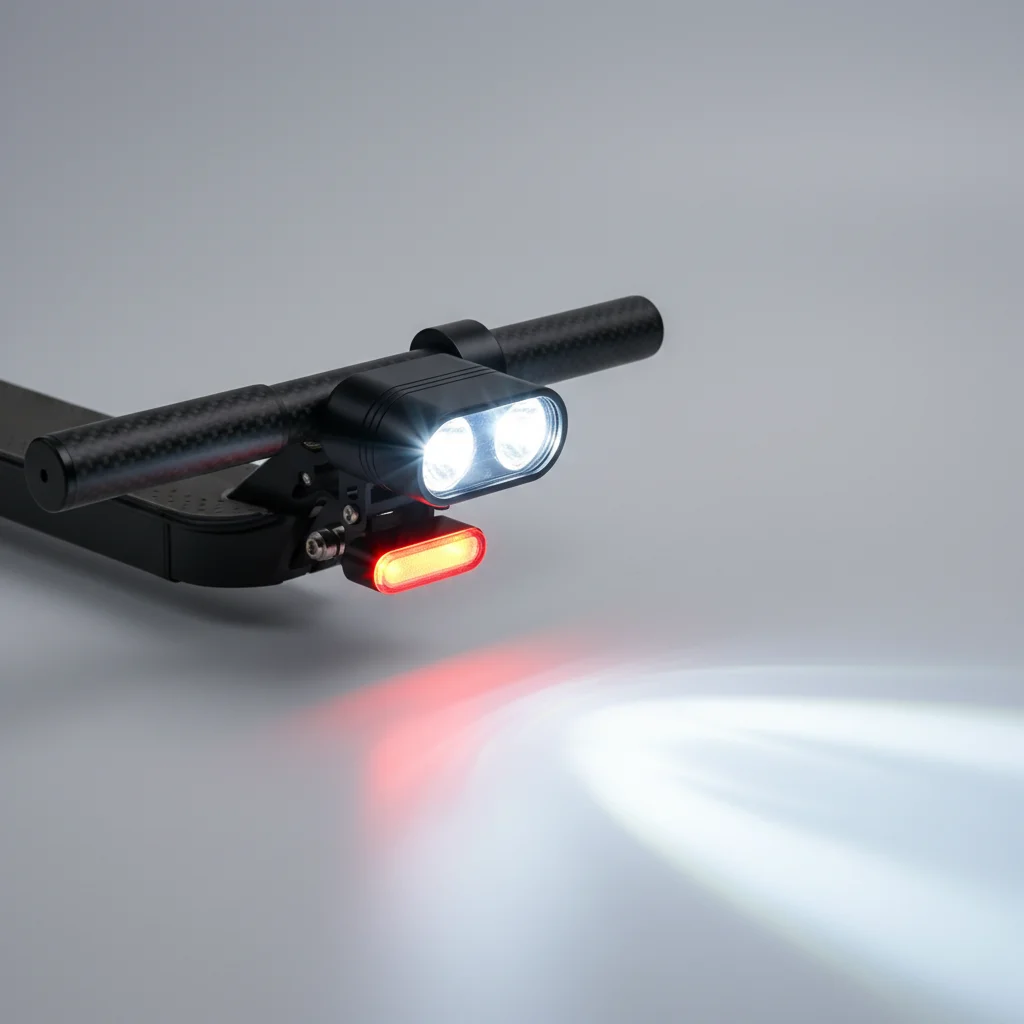
Electric scooter lights are generally bright enough for night riding, but their effectiveness varies significantly by model and riding conditions. Most modern electric scooters come equipped with integrated front and rear lights designed to meet basic safety standards, offering visibility for both the rider and other road users. However, for truly dark environments or high-speed commuting, supplemental lighting is often recommended to ensure optimal visibility and safety.
Understanding Standard Electric Scooter Lighting
Most electric scooters feature a front headlight and a rear taillight. The front light typically uses LED technology, providing a beam that illuminates the path ahead. The rear light often includes a brake light function, intensifying when the brakes are applied. These integrated systems are designed for urban environments with some ambient light, making the rider visible to others and offering enough illumination to see immediate obstacles.
For riders who frequently encounter poorly lit streets or desire enhanced safety, evaluating the lumen output of a scooter’s integrated lights is crucial. Many entry-level scooters offer around 100-200 lumens, which is adequate for being seen but less effective for actively lighting up a dark path. Premium models can offer 500 lumens or more, providing a much clearer view of the road ahead.
When Supplemental Lights Become Essential
Riding in rural areas, on unlit bike paths, or during heavy rain and fog often necessitates additional lighting. Standard scooter lights may not cast a wide enough or bright enough beam to reveal potholes, debris, or wildlife in time to react safely. Supplemental lights, such as handlebar-mounted headlights and helmet-mounted lights, can significantly improve visibility.
- Increased Lumen Output: Dedicated bike lights can offer thousands of lumens, transforming night riding safety.
- Wider Beam Pattern: Many aftermarket lights provide a broader spread of light, illuminating peripheral areas.
- Redundancy: Having a secondary light source provides a crucial backup in case the primary light fails.
- Adjustable Angle: Supplemental lights can often be angled independently to suit specific riding conditions.
- Enhanced Rear Visibility: Additional rear lights, especially those with flashing modes, make riders more noticeable.
Choosing the Right Supplemental Lighting
|
Our Picks for the Best Electric Scooter in 2026
As an Amazon Associate I earn from qualifying purchases.
|
||
| Num | Product | Action |
|---|---|---|
| 1 | Scooters for Kids 8-12, Teens & Adults - Foldable Commuter Scooter with Bell, Hand Brake & Adjustable Height, 220 LB Weight Capacity, Perfect for School, Campus, Park Rides |

|
| 2 | Electric Scooter for Adults Kukirin G4/G2/G2max, 60V2000W Motor Fast Scooter 43MPH&47 Miles Range, 11 Inch Off-Road Tire Long Range Electric Scooter for Adults |
|
| 3 | Aero Big Wheels Kick Scooter for Kids 6+, Teens & Adults | Light Up Wheels, Hand Brake, Rubber Deck Mat & Shock Absorption | Foldable & Height Adjustable |
|
| 4 | Caroma Peak 800W/1200W Electric Scooter with Seat, Max 15/20/30Miles&20MPH, 14"/20" Tires Foldable Adult Electric Scooter with Basket for Pets & Cargo, Dual Shock Absorbing EScooter for Commuting |
|
| 5 | Off Road Electric Scooter for Adult, 48V 13AH Folding E-Scooters, 800W Motor up to 25Mph & 28Miles Range,10" All Terrain Tire Scooter with Dual Suspension & Turn Signal Light |
|
| 6 | Electric Scooter for Adults, Up to 19/23/25Miles, Built in Side/Turn Light, 8.5/10" Honeycomb Solid Tires, Folding E-Scooter with Front/Dual Suspension |
|
| 7 | isinwheel GT1/GT2 Electric Scooter Adults, 28 MPH Top Speed, 28/37Miles Range, 800/1000W Motor, 330LBS Load, Off-Road Scooter for Adults with Turn Signal (2025 Upgraded Version) |
|
| 8 | JBM Adult & Kid Skating Protective Gear Set for Beginner to Advanced, Skateboard Helmet Knee and Elbow Pads with Wrist Guards for Inline Roller Skating, Scooter, Skateboarding |
|
| 9 | Aero Big Wheels Kick Scooter for Kids 6+, Teens & Adults | Light Up Wheels, Hand Brake, Rubber Deck Mat & Shock Absorption | Foldable & Height Adjustable |
|
| 10 | ZIFFY Scooter for Kids with Hand Brake, Foldable Kick Scooter for Ages 6-12, Lightweight Scooter for Boys with 4 Adjustable Heights, ABEC9 Bearings, Supports Up to 260 lbs by Jova |
|
When selecting additional lights, consider factors like brightness (lumens), battery life, beam pattern, and mounting options. A good front light for dark conditions should offer at least 800-1000 lumens. Look for lights with a durable, water-resistant casing and easy-to-use mounting systems. For rear visibility, a bright red light with multiple flash modes is ideal.
Many riders also opt for reflective gear and clothing to further enhance their visibility. Reflective strips on helmets, jackets, and backpacks can catch the light from other vehicles, making the rider stand out even more. Combining integrated scooter lights with high-quality supplemental lights and reflective accessories creates a comprehensive safety system for night riding.
Maintaining Your Electric Scooter Lights
Regular maintenance ensures your electric scooter lights perform optimally. Check the lenses for dirt or damage before each ride and clean them with a soft cloth. Ensure all connections are secure and that the lights are properly aimed. For battery-powered supplemental lights, always ensure they are fully charged before a night ride.
If you notice dimming or flickering, it might indicate a loose connection, a failing LED, or a battery issue. Addressing these problems promptly is crucial for maintaining safety. Some scooter models allow for easy replacement of light units, while others may require professional service. Always refer to your scooter’s manual for specific maintenance and troubleshooting guidelines.
Legal Requirements for Electric Scooter Lighting
It’s important to be aware of local regulations regarding electric scooter lighting. Many jurisdictions have specific requirements for front and rear lights, including minimum brightness levels and visibility distances. Failing to comply with these laws can result in fines and, more importantly, compromise your safety. Always check your local traffic laws to ensure your scooter’s lighting setup meets all legal standards for night operation.
