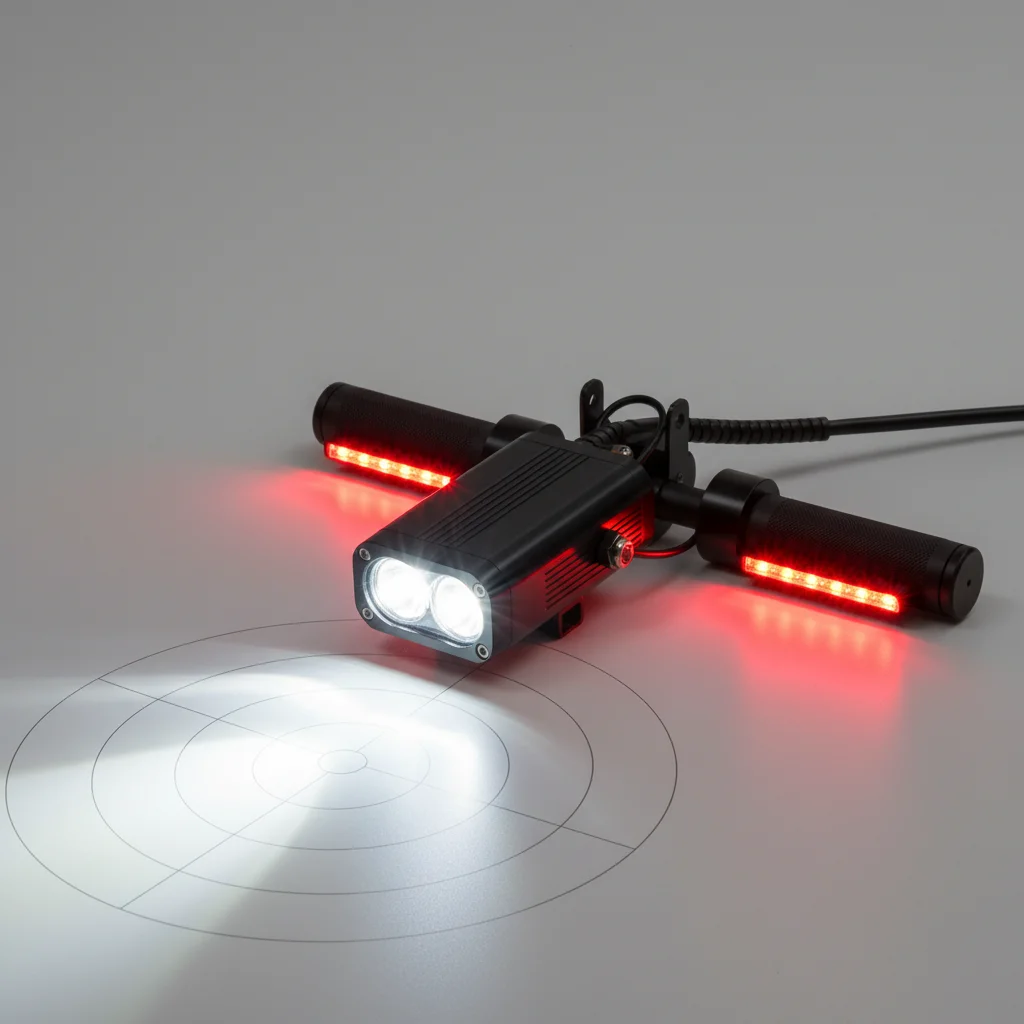
Electric scooter lights are generally bright enough for urban night riding, typically offering between 200 and 500 lumens for front lights, which is sufficient for visibility and illuminating immediate obstacles. However, for unlit rural roads or higher speeds, supplemental lighting is often recommended to ensure optimal safety and visibility.
Understanding Electric Scooter Light Brightness (Lumens)
The brightness of an electric scooter’s headlight is measured in lumens. Most standard electric scooters come equipped with integrated front lights ranging from 200 to 500 lumens. This range is adequate for being seen by others and for navigating well-lit city streets at moderate speeds. For example, a 300-lumen light can illuminate objects up to 15-20 feet ahead, providing enough reaction time for typical urban speeds. For more electric scooter guides on this site.
Rear lights, on the other hand, are primarily for visibility to others and typically emit fewer lumens, often in the 50-100 lumen range, sometimes with flashing modes to enhance noticeability. It’s crucial to understand that while these lights meet basic safety requirements, they might not provide the expansive illumination needed for aggressive night riding or poorly lit environments.
When to Consider Supplemental Lighting
There are several scenarios where the integrated lights on your electric scooter might not be sufficient. If you frequently ride on unlit paths, rural roads, or areas with heavy tree cover, the limited beam of a standard scooter light can be a significant safety hazard. Additionally, if you ride at higher speeds (above 15 mph) at night, you’ll outrun the effective illumination range of many stock lights, reducing your reaction time to unexpected obstacles.
Consider adding an external, higher-lumen headlight if your riding conditions fall into these categories. Many riders opt for bicycle-specific lights that can be easily mounted to the handlebars, offering upwards of 800-1500 lumens for superior visibility.
Types of Supplemental Electric Scooter Lights
|
Our Picks for the Best Electric Scooter in 2026
As an Amazon Associate I earn from qualifying purchases.
|
||
| Num | Product | Action |
|---|---|---|
| 1 | Caroma Peak 800W/1200W Electric Scooter with Seat, Max 15/20/30Miles&20MPH, 14"/20" Tires Foldable Adult Electric Scooter with Basket for Pets & Cargo, Dual Shock Absorbing EScooter for Commuting |

|
| 2 | Scooters for Kids 8-12, Teens & Adults - Foldable Commuter Scooter with Bell, Hand Brake & Adjustable Height, 220 LB Weight Capacity, Perfect for School, Campus, Park Rides |
|
| 3 | ZIFFY Scooter for Kids with Hand Brake, Foldable Kick Scooter for Ages 6-12, Lightweight Scooter for Boys with 4 Adjustable Heights, ABEC9 Bearings, Supports Up to 260 lbs by Jova |
|
| 4 | Aero Big Wheels Kick Scooter for Kids 6+, Teens & Adults | Light Up Wheels, Hand Brake, Rubber Deck Mat & Shock Absorption | Foldable & Height Adjustable |
|
| 5 | Electric Scooter for Adults, Up to 19/23/25Miles, Built in Side/Turn Light, 8.5/10" Honeycomb Solid Tires, Folding E-Scooter with Front/Dual Suspension |
|
| 6 | Off Road Electric Scooter for Adult, 48V 13AH Folding E-Scooters, 800W Motor up to 25Mph & 28Miles Range,10" All Terrain Tire Scooter with Dual Suspension & Turn Signal Light |
|
| 7 | isinwheel GT1/GT2 Electric Scooter Adults, 28 MPH Top Speed, 28/37Miles Range, 800/1000W Motor, 330LBS Load, Off-Road Scooter for Adults with Turn Signal (2025 Upgraded Version) |
|
| 8 | Aero Big Wheels Kick Scooter for Kids 6+, Teens & Adults | Light Up Wheels, Hand Brake, Rubber Deck Mat & Shock Absorption | Foldable & Height Adjustable |
|
| 9 | Electric Scooter for Adults Kukirin G4/G2/G2max, 60V2000W Motor Fast Scooter 43MPH&47 Miles Range, 11 Inch Off-Road Tire Long Range Electric Scooter for Adults |
|
| 10 | JBM Adult & Kid Skating Protective Gear Set for Beginner to Advanced, Skateboard Helmet Knee and Elbow Pads with Wrist Guards for Inline Roller Skating, Scooter, Skateboarding |
|
When choosing supplemental lighting, you have several options:
- Handlebar-Mounted Headlights: These are the most common and effective. Look for lights with adjustable brightness settings and a wide beam pattern.
- Helmet Lights: Offer a direct line of sight illumination, pointing wherever your head is turned. Great for spotting hazards in turns.
- Under-Deck Lighting: While primarily for aesthetics, some under-deck lights can add to your overall visibility to others, though they don’t illuminate the path ahead.
- Reflective Gear: Not a light source, but highly effective in making you more visible to drivers by reflecting their headlights.
Always ensure any added lights are securely mounted and do not interfere with steering or braking. Battery life is another critical factor; choose lights with sufficient run time for your typical rides.
Legal Requirements for Electric Scooter Lighting
Most jurisdictions have specific legal requirements for electric scooter lighting, especially for night riding. These typically mandate a front white light visible from a certain distance (e.g., 500 feet) and a rear red light or reflector visible from a similar distance. Some areas may also require side reflectors. Always check your local and state regulations to ensure your scooter’s lighting setup is compliant. Failure to comply can result in fines and, more importantly, compromise your safety.
Even if your scooter meets the minimum legal requirements, remember that these are often just that—minimums. Investing in additional lighting is a proactive step towards safer night riding, especially as urban environments become more congested and diverse in their lighting conditions.
Maintaining Your Electric Scooter Lights
To ensure your electric scooter lights perform optimally, regular maintenance is key. Keep the lenses clean from dirt and grime, which can significantly reduce light output. Periodically check the wiring for any damage or loose connections, especially if your scooter has been exposed to wet conditions or vibrations. For battery-powered supplemental lights, ensure they are fully charged before each night ride. If you notice a significant dimming or flickering, it might be time to replace the batteries or the light unit itself. Proper maintenance ensures your lights are always ready to keep you safe.

I picked up a new scooter and the integrated front light is only about 250 lumens. While it’s okay for well-lit streets, I found myself wishing for more brightness when I hit a darker patch of road. It’s definitely not enough for those unlit rural roads mentioned. I’ll probably invest in some supplemental lighting soon.
This was a great read! I always wondered what the deal was with lumens. My scooter’s rear light is pretty basic, just for being seen, which makes sense after reading this. I’m glad to know that the 300-lumen front light on my model is considered adequate for my usual urban commute. Good to have that peace of mind.
I was really worried about riding my scooter at night, especially after a close call last month. The info here about 200-500 lumens being good for city riding was super helpful. My new front light is 450 lumens and it makes a huge difference, I feel so much safer now. Definitely recommend upgrading if your stock light isn’t cutting it.
I ride my scooter everywhere, even at night, and visibility is key. I always thought more lumens was just ‘brighter’ but understanding that 300 lumens illuminates objects up to 15-20 feet ahead really puts it into perspective. It’s exactly what I need for navigating my neighborhood streets after dark. No more guessing if I’m seen!