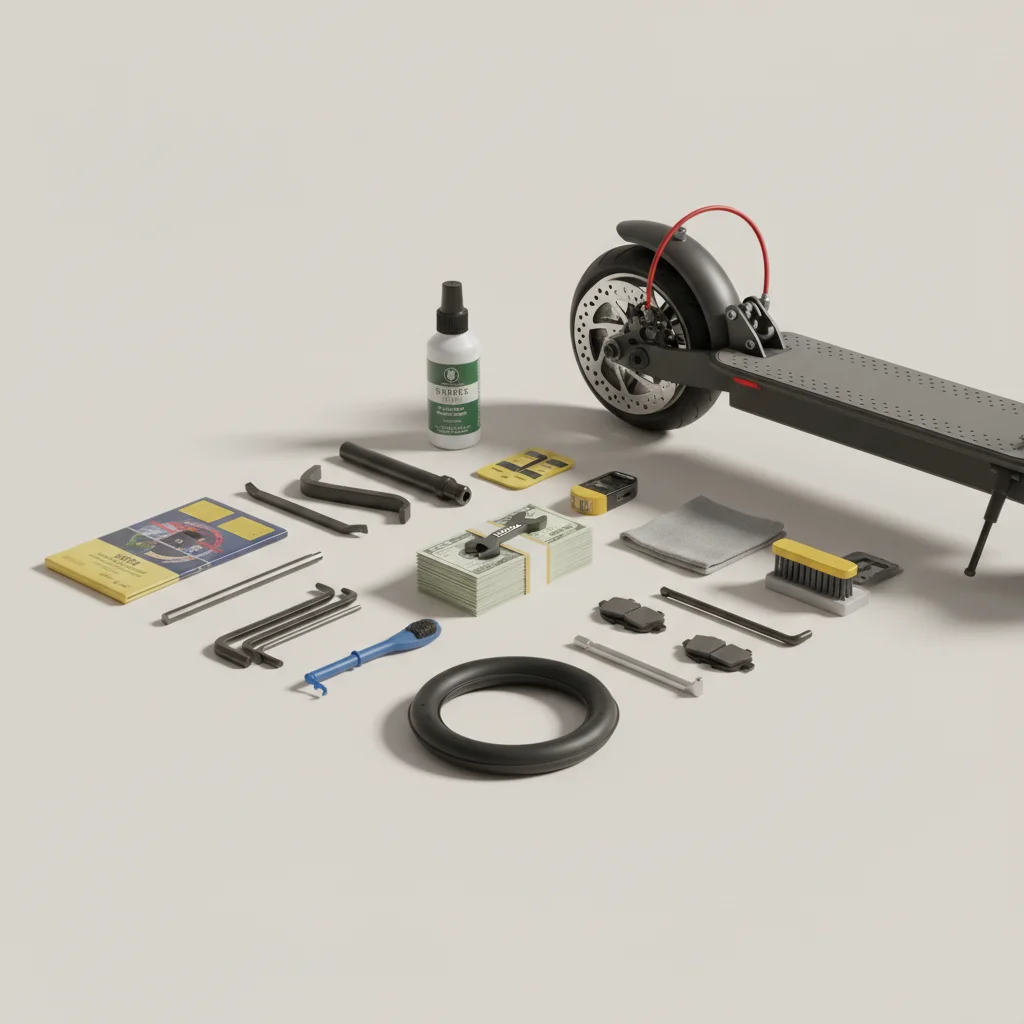
The annual electric scooter maintenance cost typically ranges from $50 to $200 for most riders, assuming regular use and basic care. This figure can fluctuate based on the scooter’s quality, how frequently it’s ridden, and the rider’s attention to preventative maintenance. Neglecting minor issues can quickly escalate these costs, making proactive care essential for budget-conscious owners.
Understanding Core Maintenance Expenses
The primary expenses in electric scooter maintenance revolve around consumables and wear-and-tear parts. Tires are a common replacement, especially for riders who frequently encounter rough terrain or sharp objects. A new set of tires can cost anywhere from $20 to $60, depending on the type (pneumatic vs. solid) and brand. Brake pads also require periodic replacement, typically every 6-12 months for active riders, with costs ranging from $10 to $30 per set. Cables, particularly for brakes and throttles, can fray or stretch over time, necessitating replacement at a cost of $5-$15 each.
Beyond these common replacements, battery health is a critical long-term consideration. While not an annual cost, proper charging habits and storage significantly impact its lifespan. A replacement battery can be the most expensive component, often costing hundreds of dollars, making its preservation a top priority for minimizing overall ownership costs.
Preventative Maintenance: Saving Money in the Long Run
Engaging in regular preventative maintenance is the most effective strategy for keeping electric scooter maintenance costs low. This includes routine checks of tire pressure, tightening loose bolts, and cleaning the scooter after rides. Many minor issues can be addressed at home with basic tools, avoiding costly professional repairs. For example, lubricating moving parts like suspension components and folding mechanisms can prevent premature wear and tear.
- Check tire pressure weekly to prevent flats and improve efficiency.
- Inspect brake pads and discs monthly for wear.
- Tighten all visible bolts and screws every few weeks.
- Clean the scooter regularly to prevent dirt and grime buildup.
- Store the scooter in a dry, temperate environment to protect the battery.
When to Seek Professional Help
|
Our Picks for the Best Electric Scooter in 2026
As an Amazon Associate I earn from qualifying purchases.
|
||
| Num | Product | Action |
|---|---|---|
| 1 | Caroma Peak 800W/1200W Electric Scooter with Seat, Max 15/20/30Miles&20MPH, 14"/20" Tires Foldable Adult Electric Scooter with Basket for Pets & Cargo, Dual Shock Absorbing EScooter for Commuting |

|
| 2 | Scooters for Kids 8-12, Teens & Adults - Foldable Commuter Scooter with Bell, Hand Brake & Adjustable Height, 220 LB Weight Capacity, Perfect for School, Campus, Park Rides |
|
| 3 | JBM Adult & Kid Skating Protective Gear Set for Beginner to Advanced, Skateboard Helmet Knee and Elbow Pads with Wrist Guards for Inline Roller Skating, Scooter, Skateboarding |
|
| 4 | isinwheel GT1/GT2 Electric Scooter Adults, 28 MPH Top Speed, 28/37Miles Range, 800/1000W Motor, 330LBS Load, Off-Road Scooter for Adults with Turn Signal (2025 Upgraded Version) |
|
| 5 | ZIFFY Scooter for Kids with Hand Brake, Foldable Kick Scooter for Ages 6-12, Lightweight Scooter for Boys with 4 Adjustable Heights, ABEC9 Bearings, Supports Up to 260 lbs by Jova |
|
| 6 | Off Road Electric Scooter for Adult, 48V 13AH Folding E-Scooters, 800W Motor up to 25Mph & 28Miles Range,10" All Terrain Tire Scooter with Dual Suspension & Turn Signal Light |
|
| 7 | Electric Scooter for Adults, Up to 19/23/25Miles, Built in Side/Turn Light, 8.5/10" Honeycomb Solid Tires, Folding E-Scooter with Front/Dual Suspension |
|
| 8 | Electric Scooter for Adults Kukirin G4/G2/G2max, 60V2000W Motor Fast Scooter 43MPH&47 Miles Range, 11 Inch Off-Road Tire Long Range Electric Scooter for Adults |
|
| 9 | Aero Big Wheels Kick Scooter for Kids 6+, Teens & Adults | Light Up Wheels, Hand Brake, Rubber Deck Mat & Shock Absorption | Foldable & Height Adjustable |
|
| 10 | Aero Big Wheels Kick Scooter for Kids 6+, Teens & Adults | Light Up Wheels, Hand Brake, Rubber Deck Mat & Shock Absorption | Foldable & Height Adjustable |
|
While many maintenance tasks can be DIY, certain repairs are best left to professionals. Issues involving the motor, controller, or complex electrical systems often require specialized knowledge and tools. Attempting these repairs without proper expertise can lead to further damage or safety hazards. A professional diagnostic service might cost $30-$70, but it can save significant money by correctly identifying and fixing problems before they worsen.
Additionally, if your scooter experiences a significant drop in performance, unusual noises, or persistent error codes, a professional inspection is highly recommended. They can often pinpoint underlying issues that might not be obvious to the average user, ensuring your scooter remains safe and efficient. Always consider the warranty implications before attempting complex repairs yourself.
Impact of Riding Habits on Maintenance Costs
Your riding habits play a significant role in the longevity of your electric scooter and its maintenance requirements. Aggressive riding, frequent hard braking, and regularly riding over rough terrain will naturally accelerate wear and tear on components like tires, brakes, and suspension. Conversely, smooth acceleration, gentle braking, and sticking to well-maintained paths can extend the life of many parts, reducing the frequency and cost of replacements.
Riding in wet or dusty conditions without proper cleaning also contributes to faster degradation of components. Water can corrode electrical connections and bearings, while dust and grit can wear down moving parts. Being mindful of these factors and adapting your riding style can significantly impact your annual maintenance budget.
