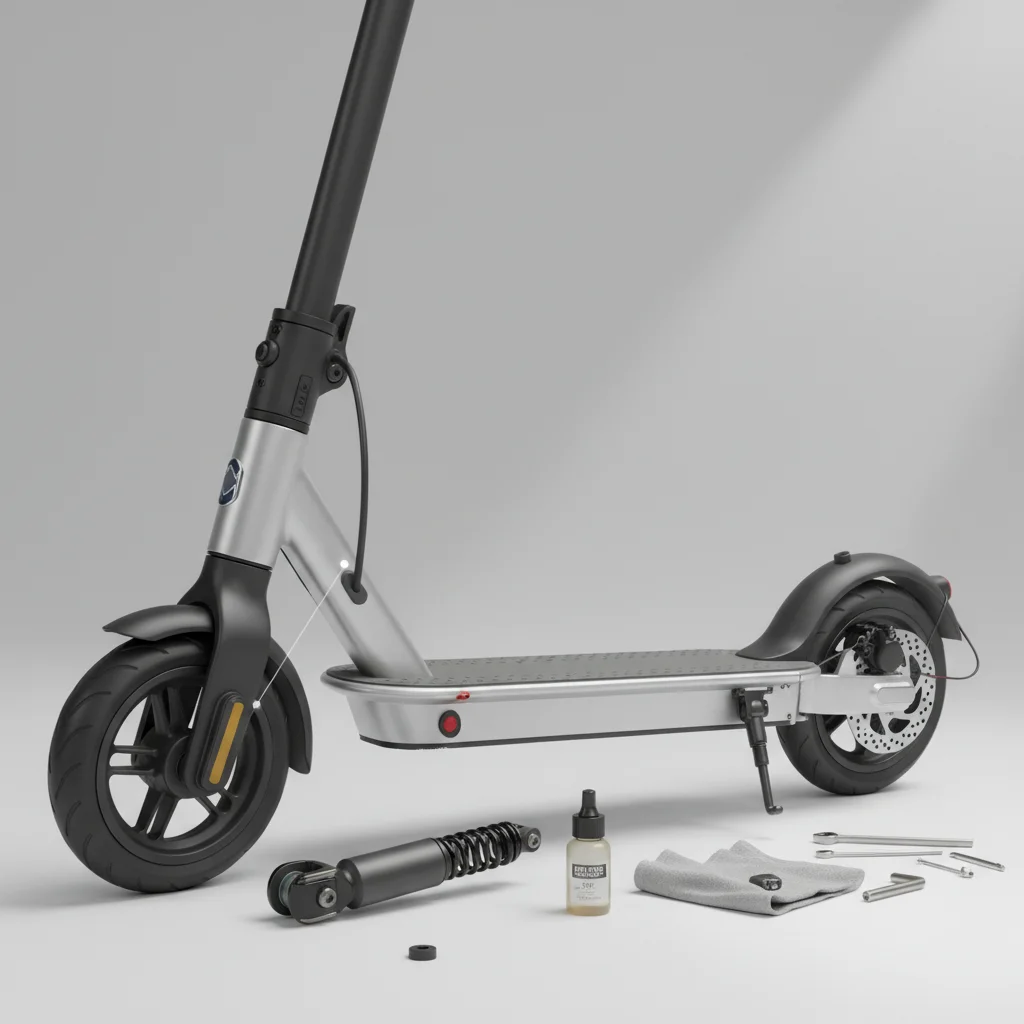
Electric scooter noise, particularly a persistent squeaking, often indicates an issue with the brakes, suspension, or wheel bearings. Addressing these noises promptly can prevent further damage and ensure a safer, more enjoyable ride. There are typically five common reasons for squeaking, each with a straightforward solution.
Common Causes of Electric Scooter Squeaking
One of the most frequent culprits behind a squeaky electric scooter is the braking system. Disc brakes, especially, can develop a squeal due to contamination, worn pads, or improper alignment. Dust, dirt, or oil on the rotor or pads can significantly reduce friction and create an irritating sound. Similarly, brake pads that are nearing the end of their lifespan will often become noisy as the wear indicator begins to rub against the disc.
Another area to inspect is the suspension system. If your scooter has front or rear suspension, the springs or pivot points can become dry or accumulate grime, leading to squeaking or creaking sounds. Regular cleaning and lubrication of these components are essential for smooth operation and noise reduction. Neglecting suspension maintenance can lead to premature wear of bushings and other critical parts.
Troubleshooting and Fixing Brake Squeaks
To fix brake squeaks, begin by cleaning the brake rotors and pads. Use a dedicated disc brake cleaner and a clean cloth to remove any contaminants. If the pads appear worn, replace them. Most manufacturers recommend replacing pads when they are less than 1mm thick. Ensure the brake caliper is properly aligned so that the pads make even contact with the rotor. A misaligned caliper can cause uneven wear and persistent squeaking.
- Clean brake rotors with isopropyl alcohol or disc brake cleaner.
- Inspect brake pads for wear and replace if necessary.
- Adjust brake caliper alignment for even pad contact.
- Check for loose bolts on the brake assembly.
- Bed in new brake pads properly after replacement.
Addressing Suspension and Wheel Bearing Noises
|
Our Picks for the Best Electric Scooter in 2026
As an Amazon Associate I earn from qualifying purchases.
|
||
| Num | Product | Action |
|---|---|---|
| 1 | Scooters for Kids 8-12, Teens & Adults - Foldable Commuter Scooter with Bell, Hand Brake & Adjustable Height, 220 LB Weight Capacity, Perfect for School, Campus, Park Rides |

|
| 2 | Electric Scooter for Adults Kukirin G4/G2/G2max, 60V2000W Motor Fast Scooter 43MPH&47 Miles Range, 11 Inch Off-Road Tire Long Range Electric Scooter for Adults |
|
| 3 | Electric Scooter for Adults, Up to 19/23/25Miles, Built in Side/Turn Light, 8.5/10" Honeycomb Solid Tires, Folding E-Scooter with Front/Dual Suspension |
|
| 4 | Aero Big Wheels Kick Scooter for Kids 6+, Teens & Adults | Light Up Wheels, Hand Brake, Rubber Deck Mat & Shock Absorption | Foldable & Height Adjustable |
|
| 5 | isinwheel GT1/GT2 Electric Scooter Adults, 28 MPH Top Speed, 28/37Miles Range, 800/1000W Motor, 330LBS Load, Off-Road Scooter for Adults with Turn Signal (2025 Upgraded Version) |
|
| 6 | JBM Adult & Kid Skating Protective Gear Set for Beginner to Advanced, Skateboard Helmet Knee and Elbow Pads with Wrist Guards for Inline Roller Skating, Scooter, Skateboarding |
|
| 7 | ZIFFY Scooter for Kids with Hand Brake, Foldable Kick Scooter for Ages 6-12, Lightweight Scooter for Boys with 4 Adjustable Heights, ABEC9 Bearings, Supports Up to 260 lbs by Jova |
|
| 8 | Caroma Peak 800W/1200W Electric Scooter with Seat, Max 15/20/30Miles&20MPH, 14"/20" Tires Foldable Adult Electric Scooter with Basket for Pets & Cargo, Dual Shock Absorbing EScooter for Commuting |
|
| 9 | Off Road Electric Scooter for Adult, 48V 13AH Folding E-Scooters, 800W Motor up to 25Mph & 28Miles Range,10" All Terrain Tire Scooter with Dual Suspension & Turn Signal Light |
|
| 10 | Aero Big Wheels Kick Scooter for Kids 6+, Teens & Adults | Light Up Wheels, Hand Brake, Rubber Deck Mat & Shock Absorption | Foldable & Height Adjustable |
|
For suspension-related squeaks, identify the specific pivot points or springs that are making noise. Clean these areas thoroughly and apply a silicone-based lubricant or a dry PTFE spray. Avoid using oil-based lubricants that can attract dirt. If the squeaking persists, check for any loose bolts or worn bushings within the suspension assembly. Replacing worn bushings can often resolve persistent creaking.
Wheel bearings can also be a source of noise. A grinding or squealing sound coming from the wheels, especially when free-spinning them, often indicates worn or damaged bearings. While some bearings can be cleaned and re-greased, it’s often more effective and safer to replace them entirely. This is a more involved repair and may require specialized tools, so consider professional help if you’re unsure.
Preventative Maintenance for a Quiet Ride
Regular preventative maintenance is key to keeping your electric scooter quiet. This includes routine cleaning of the entire scooter, especially after riding in wet or dusty conditions. Periodically check all bolts and fasteners for tightness, as loose components can vibrate and create noise. Lubricate moving parts like suspension pivots and folding mechanisms with appropriate lubricants. Consistent care will not only reduce noise but also extend the lifespan of your scooter.

I was so frustrated with the constant squeaking from my scooter’s disc brakes. I tried cleaning them myself, but it only helped for a little while. Following the advice here about checking for worn pads and proper alignment made all the difference. My ride is finally quiet again, it’s such a relief!
This was super helpful! My suspension system was definitely the source of the squeak on my older model. I followed the steps for cleaning and lubricating the pivot points, and the difference is night and day. It’s riding much smoother now, and I don’t feel like I’m annoying everyone on the bike path.
I had no idea that dust and oil on the rotor could cause such a loud squeal! I thought my brakes were just old. A quick clean with some rubbing alcohol, as recommended, and my scooter is silent. It’s amazing how a simple fix can make such a huge improvement to the riding experience.
My scooter has been making this weird noise, and I thought it was the brakes for sure. Turns out, after reading this, it might actually be the wheel bearings. I tried lubricating them like it suggested, and it helped a bit, but it’s still not totally gone. Guess I’ll have to look into replacing them soon.