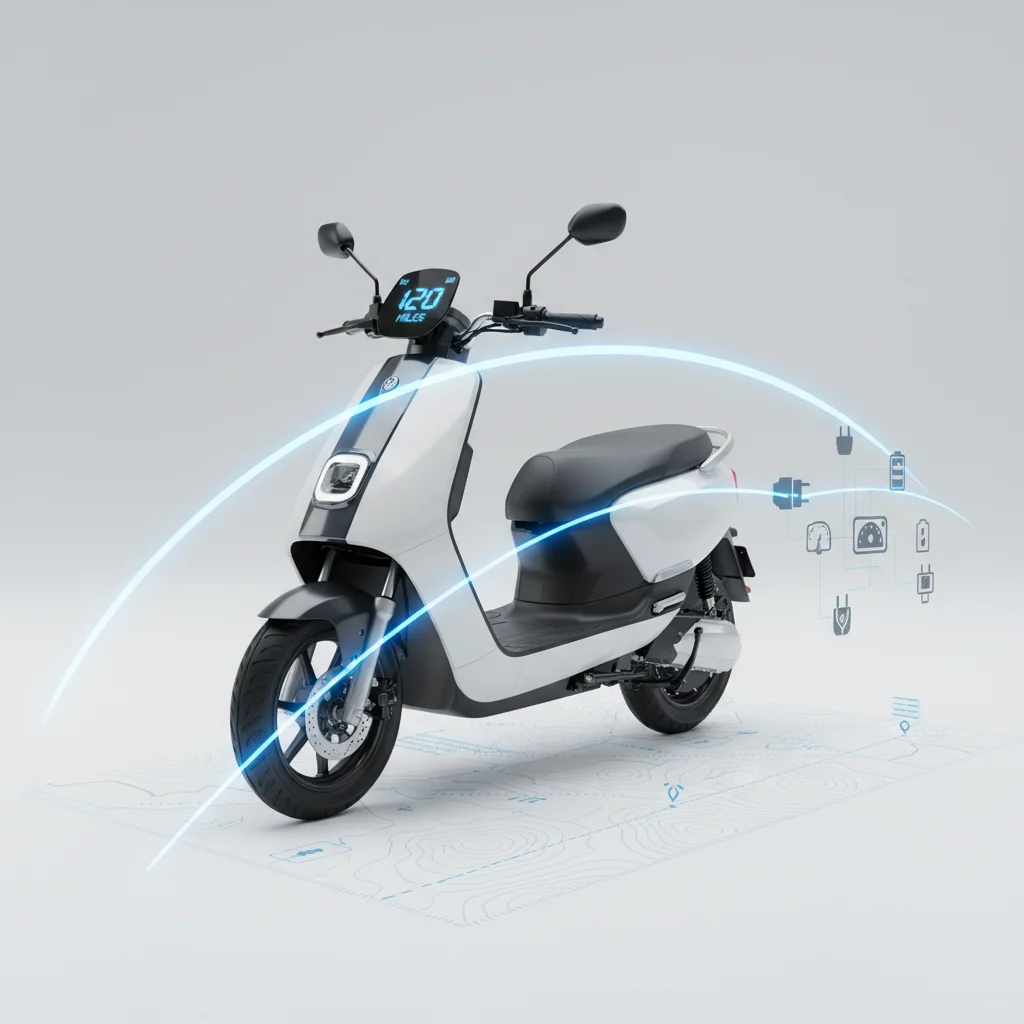
The range of an electric scooter varies significantly based on several factors, but on average, most consumer-grade electric scooters can travel between 15 to 40 miles on a single charge. High-end models designed for extended commutes or specific uses can push this boundary, sometimes exceeding 60 miles. Understanding the variables that influence this distance is crucial for choosing the right scooter for your needs.
Factors Influencing Electric Scooter Range
Several key elements determine how far an electric scooter can travel. The battery’s capacity, measured in watt-hours (Wh), is the most significant. A larger Wh rating generally translates to a longer range. For instance, a scooter with a 500Wh battery will typically offer a greater range than one with a 250Wh battery, assuming all other factors are equal. Motor power also plays a role; while a more powerful motor can deplete the battery faster, efficient motors can balance power and consumption.
Rider weight is another critical factor. Heavier riders require more power to propel the scooter, leading to faster battery drain and reduced range. Similarly, riding style, including frequent acceleration, braking, and maintaining high speeds, will diminish the available range compared to a smooth, consistent ride at moderate speeds. Terrain also impacts range; riding uphill or on rough surfaces demands more energy from the battery than cruising on flat, paved roads.
Maximizing Your Scooter’s Range
To get the most out of your electric scooter’s range, consider adopting a few best practices. Maintaining consistent, moderate speeds is often the most effective way to conserve battery life. Avoid rapid acceleration and hard braking whenever possible, as these actions consume significant power. Regularly checking tire pressure is also important; properly inflated tires reduce rolling resistance, making the scooter more efficient. Underinflated tires can significantly decrease your range.
Additionally, planning your routes to avoid steep inclines and rough terrain can help extend your ride. If your scooter has multiple riding modes, utilizing an eco or power-saving mode can be beneficial for longer journeys. Carrying only essential items will also reduce the overall load, further contributing to better range. Regular maintenance, including keeping your battery in good health by avoiding extreme temperatures and deep discharges, will ensure its longevity and optimal performance.
Understanding Battery Capacity and Types
|
Our Picks for the Best Electric Scooter in 2026
As an Amazon Associate I earn from qualifying purchases.
|
||
| Num | Product | Action |
|---|---|---|
| 1 | Electric Scooter for Adults Kukirin G4/G2/G2max, 60V2000W Motor Fast Scooter 43MPH&47 Miles Range, 11 Inch Off-Road Tire Long Range Electric Scooter for Adults |

|
| 2 | JBM Adult & Kid Skating Protective Gear Set for Beginner to Advanced, Skateboard Helmet Knee and Elbow Pads with Wrist Guards for Inline Roller Skating, Scooter, Skateboarding |
|
| 3 | Aero Big Wheels Kick Scooter for Kids 6+, Teens & Adults | Light Up Wheels, Hand Brake, Rubber Deck Mat & Shock Absorption | Foldable & Height Adjustable |
|
| 4 | Caroma Peak 800W/1200W Electric Scooter with Seat, Max 15/20/30Miles&20MPH, 14"/20" Tires Foldable Adult Electric Scooter with Basket for Pets & Cargo, Dual Shock Absorbing EScooter for Commuting |
|
| 5 | Aero Big Wheels Kick Scooter for Kids 6+, Teens & Adults | Light Up Wheels, Hand Brake, Rubber Deck Mat & Shock Absorption | Foldable & Height Adjustable |
|
| 6 | isinwheel GT1/GT2 Electric Scooter Adults, 28 MPH Top Speed, 28/37Miles Range, 800/1000W Motor, 330LBS Load, Off-Road Scooter for Adults with Turn Signal (2025 Upgraded Version) |
|
| 7 | Off Road Electric Scooter for Adult, 48V 13AH Folding E-Scooters, 800W Motor up to 25Mph & 28Miles Range,10" All Terrain Tire Scooter with Dual Suspension & Turn Signal Light |
|
| 8 | Electric Scooter for Adults, Up to 19/23/25Miles, Built in Side/Turn Light, 8.5/10" Honeycomb Solid Tires, Folding E-Scooter with Front/Dual Suspension |
|
| 9 | ZIFFY Scooter for Kids with Hand Brake, Foldable Kick Scooter for Ages 6-12, Lightweight Scooter for Boys with 4 Adjustable Heights, ABEC9 Bearings, Supports Up to 260 lbs by Jova |
|
| 10 | Scooters for Kids 8-12, Teens & Adults - Foldable Commuter Scooter with Bell, Hand Brake & Adjustable Height, 220 LB Weight Capacity, Perfect for School, Campus, Park Rides |
|
Electric scooter batteries are typically lithium-ion, known for their energy density and relatively long lifespan. Battery capacity is usually expressed in Ampere-hours (Ah) and voltage (V), which combine to give the Watt-hours (Wh). For example, a 36V 10Ah battery has a capacity of 360Wh. Higher Wh values directly correlate with longer potential ranges. When comparing scooters, always look at the Wh rating rather than just Ah or V in isolation, as it provides a more comprehensive understanding of the battery’s total energy storage.
Some advanced scooters feature regenerative braking, which converts kinetic energy back into electrical energy to recharge the battery slightly during deceleration. While this doesn’t dramatically extend range, it can offer a small but noticeable improvement over time, especially in urban environments with frequent stops.
Choosing the Right Range for Your Commute
When selecting an electric scooter, it’s essential to match its advertised range with your actual commuting needs, adding a buffer for unforeseen circumstances. If your daily commute is 10 miles round trip, a scooter with a 20-mile real-world range would be a safe choice. Always factor in the impact of hills, weather conditions, and your riding style, as these can reduce the actual distance you can travel. For longer commutes or recreational rides, investing in a scooter with a higher battery capacity will provide greater peace of mind and flexibility.
- Consider your average daily commute distance.
- Factor in hills and terrain on your typical routes.
- Account for your weight and any cargo you carry.
- Allow a 20-30% buffer for range degradation over time.
- Prioritize models with larger Wh battery capacities for longer rides.
Top Picks for Extended Range Scooters
For riders prioritizing maximum distance, several models stand out in the market. Scooters like the Segway Ninebot Max G2 offer impressive ranges, often exceeding 40 miles under optimal conditions, making them ideal for longer commutes. Brands such as Nami and Kaabo also produce high-performance models with substantial battery capacities, catering to users who need to cover significant distances without frequent recharging. These premium options often come with larger batteries and more efficient motor systems to deliver their extended range capabilities.
When evaluating these options, pay close attention to user reviews and independent range tests, as manufacturer-advertised ranges are often achieved under ideal laboratory conditions. Real-world performance can vary, so understanding typical user experiences is invaluable.These high-capacity scooters are an investment, but they provide the freedom and reliability needed for extensive travel.
