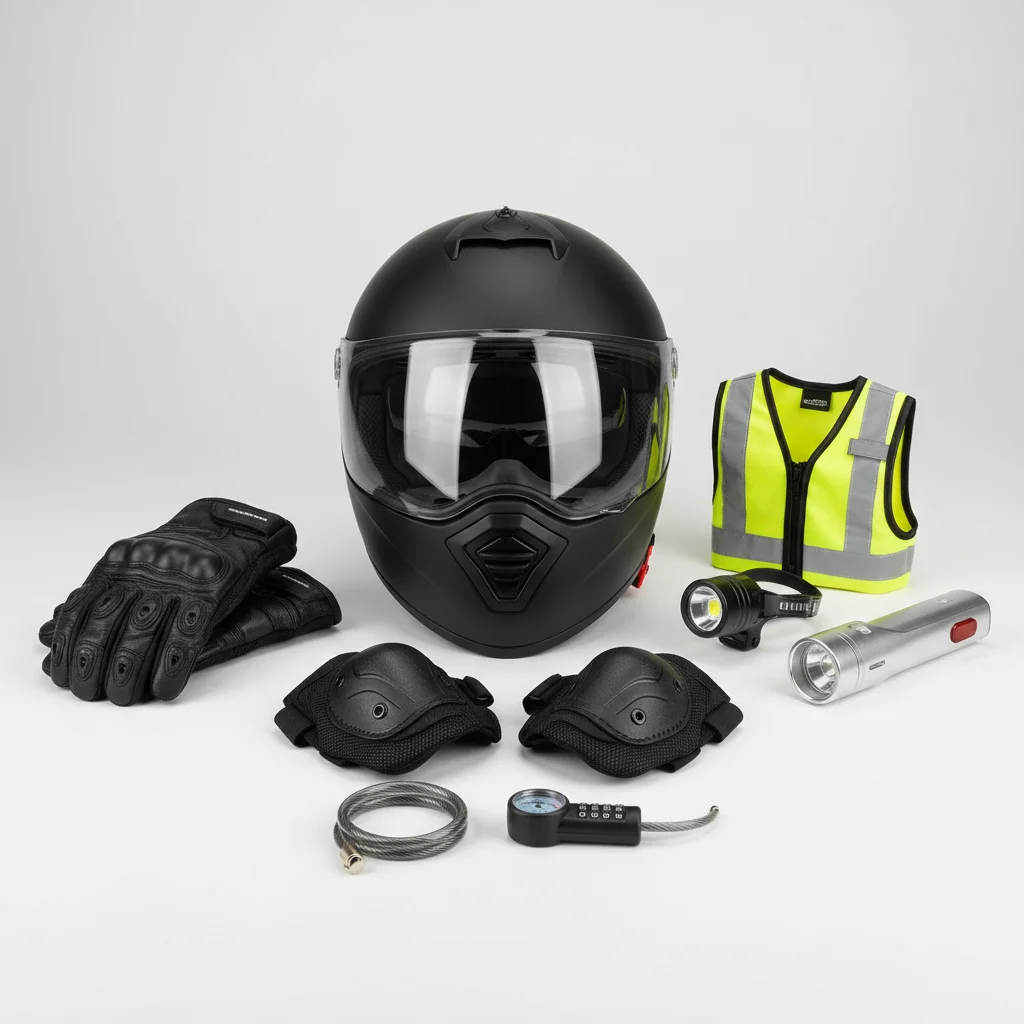
When riding an electric scooter, ensuring your safety is paramount. You really need at least three essential pieces of safety gear to protect yourself from potential injuries: a helmet, knee pads, and elbow pads. While some riders might opt for just a helmet, a comprehensive approach to safety gear significantly reduces the risk of serious harm in the event of a fall or collision. Investing in quality protective equipment is a small price to pay for peace of mind and injury prevention.
The Non-Negotiable: A Certified Helmet
A helmet is the single most important piece of safety gear for any electric scooter rider. Head injuries can be life-altering, and a properly fitted, certified helmet can absorb impact and prevent severe trauma. Look for helmets that meet safety standards such as CPSC (for bicycles) or DOT (for motorcycles), depending on the speed capabilities of your scooter. A good helmet should fit snugly without being uncomfortable, cover your forehead, and have a secure chin strap. Always replace your helmet after any significant impact, even if visible damage isn’t apparent, as its protective integrity may be compromised.
Protecting Your Joints: Knee and Elbow Pads
Falls are an inherent risk when riding an electric scooter, and your knees and elbows are particularly vulnerable to scrapes, fractures, and dislocations. Knee pads and elbow pads provide crucial cushioning and abrasion resistance. Choose pads that are designed for active sports, offering a balance of protection, flexibility, and breathability. They should stay in place during movement and not restrict your ability to steer or react. Many riders find that hard-shell pads offer superior protection for higher speeds, while softer pads are suitable for casual, lower-speed rides.
Visibility is Key: Reflective Gear and Lights
|
Our Picks for the Best Electric Scooter in 2026
As an Amazon Associate I earn from qualifying purchases.
|
||
| Num | Product | Action |
|---|---|---|
| 1 | Caroma Peak 800W/1200W Electric Scooter with Seat, Max 15/20/30Miles&20MPH, 14"/20" Tires Foldable Adult Electric Scooter with Basket for Pets & Cargo, Dual Shock Absorbing EScooter for Commuting |

|
| 2 | Aero Big Wheels Kick Scooter for Kids 6+, Teens & Adults | Light Up Wheels, Hand Brake, Rubber Deck Mat & Shock Absorption | Foldable & Height Adjustable |
|
| 3 | Scooters for Kids 8-12, Teens & Adults - Foldable Commuter Scooter with Bell, Hand Brake & Adjustable Height, 220 LB Weight Capacity, Perfect for School, Campus, Park Rides |
|
| 4 | JBM Adult & Kid Skating Protective Gear Set for Beginner to Advanced, Skateboard Helmet Knee and Elbow Pads with Wrist Guards for Inline Roller Skating, Scooter, Skateboarding |
|
| 5 | Aero Big Wheels Kick Scooter for Kids 6+, Teens & Adults | Light Up Wheels, Hand Brake, Rubber Deck Mat & Shock Absorption | Foldable & Height Adjustable |
|
| 6 | isinwheel GT1/GT2 Electric Scooter Adults, 28 MPH Top Speed, 28/37Miles Range, 800/1000W Motor, 330LBS Load, Off-Road Scooter for Adults with Turn Signal (2025 Upgraded Version) |
|
| 7 | Electric Scooter for Adults Kukirin G4/G2/G2max, 60V2000W Motor Fast Scooter 43MPH&47 Miles Range, 11 Inch Off-Road Tire Long Range Electric Scooter for Adults |
|
| 8 | ZIFFY Scooter for Kids with Hand Brake, Foldable Kick Scooter for Ages 6-12, Lightweight Scooter for Boys with 4 Adjustable Heights, ABEC9 Bearings, Supports Up to 260 lbs by Jova |
|
| 9 | Off Road Electric Scooter for Adult, 48V 13AH Folding E-Scooters, 800W Motor up to 25Mph & 28Miles Range,10" All Terrain Tire Scooter with Dual Suspension & Turn Signal Light |
|
| 10 | Electric Scooter for Adults, Up to 19/23/25Miles, Built in Side/Turn Light, 8.5/10" Honeycomb Solid Tires, Folding E-Scooter with Front/Dual Suspension |
|
Being seen by others, especially in low-light conditions, is vital for preventing accidents. Reflective gear, such as vests, jackets, or even reflective strips on your clothing and scooter, significantly increases your visibility to motorists and pedestrians. Additionally, ensure your electric scooter has functional front and rear lights. Consider adding extra lights, like helmet-mounted lights or handlebar lights, for enhanced illumination and to make your presence known from a greater distance. Bright, flashing lights are particularly effective during dawn, dusk, or nighttime rides.
Hand Protection: Gloves for Grip and Impact
Gloves might seem like an optional accessory, but they offer several benefits for electric scooter riders. Firstly, they improve your grip on the handlebars, especially in wet conditions or if your hands get sweaty, preventing accidental slips. Secondly, in the event of a fall, your natural instinct is often to put your hands out to break the impact. Gloves can protect your palms from abrasions, cuts, and even absorb some of the shock, reducing the severity of hand injuries. Look for gloves with reinforced palms and knuckle protection for optimal safety.
- Always wear a CPSC or DOT certified helmet.
- Utilize knee and elbow pads for joint protection.
- Enhance visibility with reflective clothing and bright lights.
- Wear gloves for improved grip and hand protection.
- Consider a bell or horn to alert pedestrians.
Additional Safety Considerations
Beyond the core gear, there are other considerations for maximizing your safety. Always perform a quick pre-ride check of your scooter’s brakes, tires, and battery level. Ride defensively, anticipate potential hazards, and obey all traffic laws. Avoid distractions like using your phone while riding. For those who ride frequently or at higher speeds, a full-face helmet can offer even greater protection, especially for the chin and face. Remember, the goal is to make your electric scooter experience as safe and enjoyable as possible.Investing in the right gear is the first step towards achieving that goal.

I’m a new electric scooter rider and was a bit overwhelmed by all the options for gear. The breakdown of essential pieces like helmets, knee pads, and elbow pads was super helpful. It made it easy to understand what I really needed to get started safely. Now I feel much more confident riding around.
I used to think just a helmet was enough, but after a minor spill, I totally get why knee pads are a game-changer. The post was right about taking a comprehensive approach. My knees would have been scraped up pretty bad without them. Definitely worth the investment for peace of mind.
The advice on safety gear is solid, especially about the helmet. My only gripe is that finding comfortable elbow pads that don’t feel too bulky is harder than it sounds. I’ve tried a few pairs and they always restrict my movement a bit. Still, I know they’re important for preventing serious harm.
I appreciate the emphasis on certified helmets. I picked up a CPSC-certified one after reading about the different standards. It feels really secure and I feel much safer on my daily commute. I still need to get some elbow pads, but the helmet was my priority.