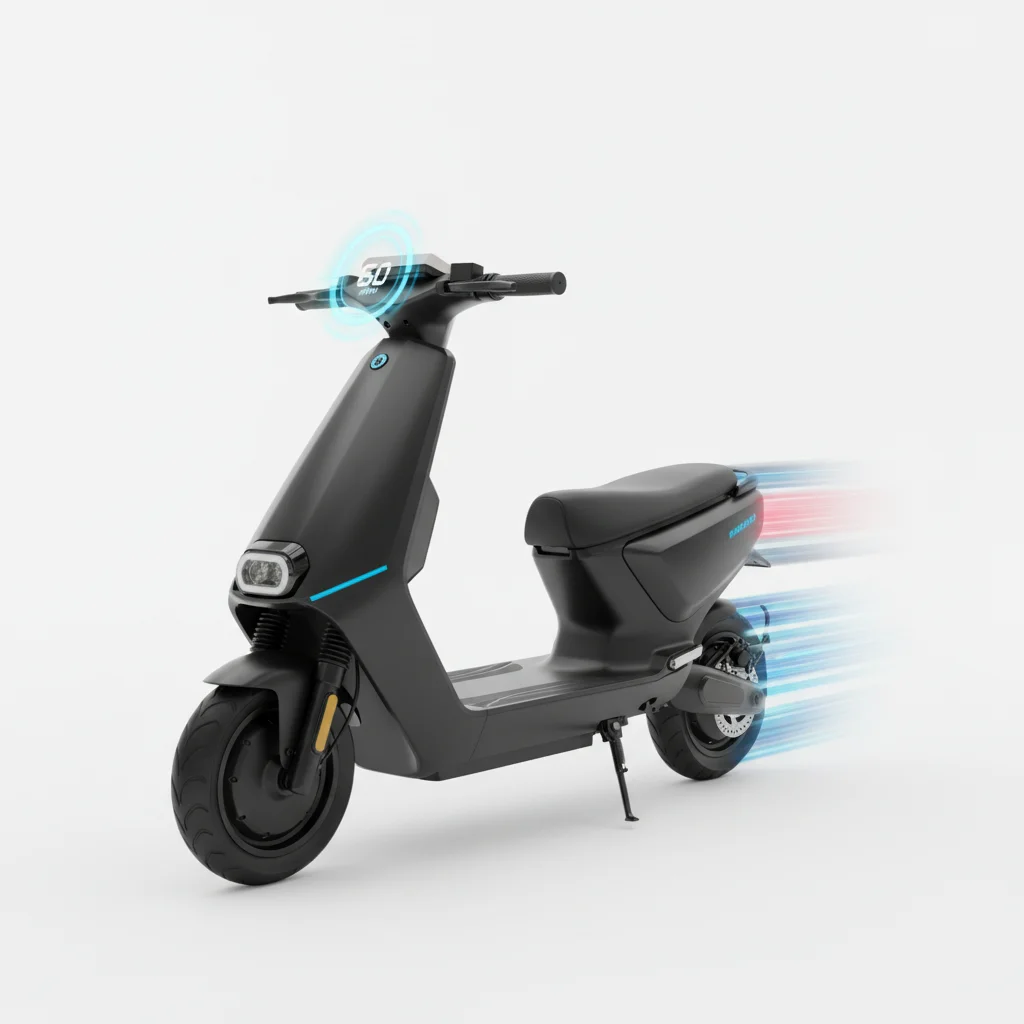
Electric scooters typically reach top speeds ranging from 15 mph to 40 mph, with an average commuter model hitting around 20 mph. This speed variation depends heavily on factors like motor power, battery capacity, rider weight, and terrain. Understanding these limits is crucial for both safety and compliance with local regulations, which often cap speeds in urban areas.
Factors Influencing Electric Scooter Speed
Several key components dictate an electric scooter’s maximum velocity. The motor’s wattage is a primary indicator; a 250W motor will naturally be slower than a 1000W motor. Battery voltage and amp-hours also play a significant role, affecting not just speed but also acceleration and range. Higher voltage often translates to higher potential speeds, while greater amp-hours contribute to sustained performance. For browse all electric scooter articles on this site.
Rider weight is another critical factor. A heavier rider will experience a noticeable reduction in top speed and acceleration compared to a lighter rider on the same scooter. Additionally, the type of terrain – flat pavement versus inclines – and even wind resistance can impact how fast an electric scooter can truly go.
Common Speed Ranges for Different Scooter Types
Entry-level commuter scooters, designed for urban travel and often limited by local laws, typically have top speeds between 15-20 mph. These models prioritize portability and efficiency over raw power. Mid-range scooters, suitable for longer commutes and light recreational use, can often reach 20-28 mph, offering a good balance of speed and practicality. Performance-oriented and off-road models, however, can push speeds well beyond 30 mph, with some high-end scooters exceeding 40 mph. These are often equipped with dual motors and larger batteries to handle demanding conditions.
- Commuter Scooters: 15-20 mph (e.g., Segway Ninebot Max)
- Mid-Range Scooters: 20-28 mph (e.g., Apollo City Pro)
- Performance Scooters: 28-40+ mph (e.g., Nami Burn-E 2)
- Off-Road Scooters: 30-45+ mph (e.g., Kaabo Wolf Warrior)
Legal Speed Limits and Safety Considerations
|
Our Picks for the Best Electric Scooter in 2026
As an Amazon Associate I earn from qualifying purchases.
|
||
| Num | Product | Action |
|---|---|---|
| 1 | Off Road Electric Scooter for Adult, 48V 13AH Folding E-Scooters, 800W Motor up to 25Mph & 28Miles Range,10" All Terrain Tire Scooter with Dual Suspension & Turn Signal Light |

|
| 2 | isinwheel GT1/GT2 Electric Scooter Adults, 28 MPH Top Speed, 28/37Miles Range, 800/1000W Motor, 330LBS Load, Off-Road Scooter for Adults with Turn Signal (2025 Upgraded Version) |
|
| 3 | Electric Scooter for Adults, Up to 19/23/25Miles, Built in Side/Turn Light, 8.5/10" Honeycomb Solid Tires, Folding E-Scooter with Front/Dual Suspension |
|
| 4 | JBM Adult & Kid Skating Protective Gear Set for Beginner to Advanced, Skateboard Helmet Knee and Elbow Pads with Wrist Guards for Inline Roller Skating, Scooter, Skateboarding |
|
| 5 | Scooters for Kids 8-12, Teens & Adults - Foldable Commuter Scooter with Bell, Hand Brake & Adjustable Height, 220 LB Weight Capacity, Perfect for School, Campus, Park Rides |
|
| 6 | Caroma Peak 800W/1200W Electric Scooter with Seat, Max 15/20/30Miles&20MPH, 14"/20" Tires Foldable Adult Electric Scooter with Basket for Pets & Cargo, Dual Shock Absorbing EScooter for Commuting |
|
| 7 | Aero Big Wheels Kick Scooter for Kids 6+, Teens & Adults | Light Up Wheels, Hand Brake, Rubber Deck Mat & Shock Absorption | Foldable & Height Adjustable |
|
| 8 | Aero Big Wheels Kick Scooter for Kids 6+, Teens & Adults | Light Up Wheels, Hand Brake, Rubber Deck Mat & Shock Absorption | Foldable & Height Adjustable |
|
| 9 | ZIFFY Scooter for Kids with Hand Brake, Foldable Kick Scooter for Ages 6-12, Lightweight Scooter for Boys with 4 Adjustable Heights, ABEC9 Bearings, Supports Up to 260 lbs by Jova |
|
| 10 | Electric Scooter for Adults Kukirin G4/G2/G2max, 60V2000W Motor Fast Scooter 43MPH&47 Miles Range, 11 Inch Off-Road Tire Long Range Electric Scooter for Adults |
|
It’s imperative to be aware of local electric scooter laws, as many cities and states impose speed restrictions, especially in shared spaces like bike lanes and sidewalks. Exceeding these limits can result in fines and, more importantly, increase the risk of accidents. Always wear a helmet and appropriate safety gear, regardless of your scooter’s top speed. Understanding your scooter’s capabilities and riding within your skill level are paramount for a safe experience.
Many scooters come with different riding modes that can limit top speed, which is useful for beginners or when riding in crowded areas. Always check the manufacturer’s specifications and local regulations before pushing your scooter to its limits. Safety should always be your top priority when enjoying the thrill of an electric scooter.
Maximizing Your Scooter’s Speed (Safely)
While most scooters have a set top speed, there are a few ways to ensure you’re getting the most out of your ride, always within safe and legal boundaries. Maintaining proper tire pressure is crucial; underinflated tires create more rolling resistance, reducing speed and range. Keeping your battery fully charged before each ride ensures optimal power delivery. Additionally, regular maintenance, such as checking brake alignment and ensuring all components are in good working order, contributes to efficient performance.
For those looking to upgrade, consider models with higher wattage motors or larger battery capacities. However, remember that increased speed often comes with a higher price tag and potentially a heavier scooter. Always prioritize safety features like robust brakes and good lighting when considering a faster model.Investing in a quality helmet and protective gear is non-negotiable for any rider, especially when exploring higher speeds.
The Future of Electric Scooter Speed
The electric scooter market is continuously evolving, with manufacturers pushing the boundaries of speed and performance while also addressing safety and regulatory concerns. We can expect to see continued advancements in motor efficiency, battery technology, and lightweight materials, potentially leading to even faster and more capable scooters. However, the trend also points towards smarter scooters with integrated safety features and adaptive speed controls to comply with varying urban environments. The balance between exhilarating speed and practical, safe commuting will remain a key focus for innovation in the coming years.
