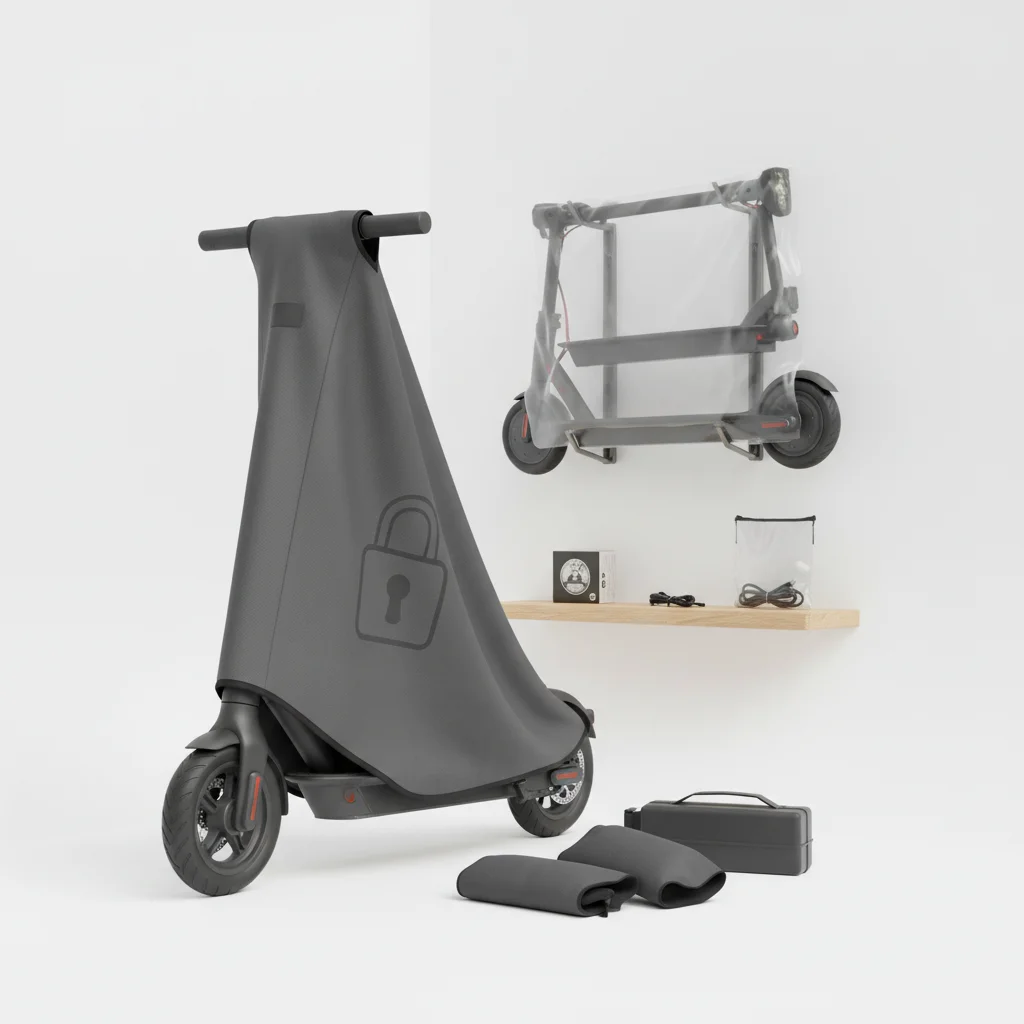
Proper electric scooter storage is crucial for maintaining its longevity and performance, especially when not in use for extended periods. The ideal method involves storing it indoors, in a cool, dry place, with the battery charged to approximately 60-80% to prevent degradation. This approach can extend your scooter’s lifespan by several years compared to improper storage.
Why Proper Storage Matters for Your Electric Scooter
Storing your electric scooter correctly goes beyond just keeping it out of the way. Exposure to extreme temperatures, humidity, and direct sunlight can severely impact its battery, tires, and electronic components. For instance, leaving a scooter in a hot garage can accelerate battery aging, reducing its overall capacity and range over time. Conversely, cold temperatures can temporarily reduce battery performance and potentially damage cells if left fully discharged.
Furthermore, improper storage can lead to cosmetic damage, such as rust on metal parts or fading of plastic components. A well-stored scooter retains its aesthetic appeal and resale value, making it a worthwhile investment in its future.
Optimal Indoor Storage Conditions
For most electric scooters, indoor storage is the gold standard. A climate-controlled environment, such as a basement, spare room, or even a dedicated corner in your living space, is ideal. Aim for a temperature range between 50°F and 77°F (10°C and 25°C) and a humidity level below 60%. Avoid storing your scooter near heat sources like radiators or in direct sunlight through a window.
- Store in a cool, dry place away from direct sunlight.
- Maintain battery charge between 60-80% for long-term storage.
- Clean the scooter thoroughly before storing to prevent dirt buildup.
- Consider a scooter stand or wall mount to save space and prevent tipping.
- Periodically check tire pressure and inflate if necessary.
Preparing Your Scooter for Long-Term Storage
|
Our Picks for the Best Electric Scooter in 2026
As an Amazon Associate I earn from qualifying purchases.
|
||
| Num | Product | Action |
|---|---|---|
| 1 | Aero Big Wheels Kick Scooter for Kids 6+, Teens & Adults | Light Up Wheels, Hand Brake, Rubber Deck Mat & Shock Absorption | Foldable & Height Adjustable |

|
| 2 | Scooters for Kids 8-12, Teens & Adults - Foldable Commuter Scooter with Bell, Hand Brake & Adjustable Height, 220 LB Weight Capacity, Perfect for School, Campus, Park Rides |
|
| 3 | isinwheel GT1/GT2 Electric Scooter Adults, 28 MPH Top Speed, 28/37Miles Range, 800/1000W Motor, 330LBS Load, Off-Road Scooter for Adults with Turn Signal (2025 Upgraded Version) |
|
| 4 | Aero Big Wheels Kick Scooter for Kids 6+, Teens & Adults | Light Up Wheels, Hand Brake, Rubber Deck Mat & Shock Absorption | Foldable & Height Adjustable |
|
| 5 | Caroma Peak 800W/1200W Electric Scooter with Seat, Max 15/20/30Miles&20MPH, 14"/20" Tires Foldable Adult Electric Scooter with Basket for Pets & Cargo, Dual Shock Absorbing EScooter for Commuting |
|
| 6 | Electric Scooter for Adults Kukirin G4/G2/G2max, 60V2000W Motor Fast Scooter 43MPH&47 Miles Range, 11 Inch Off-Road Tire Long Range Electric Scooter for Adults |
|
| 7 | JBM Adult & Kid Skating Protective Gear Set for Beginner to Advanced, Skateboard Helmet Knee and Elbow Pads with Wrist Guards for Inline Roller Skating, Scooter, Skateboarding |
|
| 8 | Electric Scooter for Adults, Up to 19/23/25Miles, Built in Side/Turn Light, 8.5/10" Honeycomb Solid Tires, Folding E-Scooter with Front/Dual Suspension |
|
| 9 | Off Road Electric Scooter for Adult, 48V 13AH Folding E-Scooters, 800W Motor up to 25Mph & 28Miles Range,10" All Terrain Tire Scooter with Dual Suspension & Turn Signal Light |
|
| 10 | ZIFFY Scooter for Kids with Hand Brake, Foldable Kick Scooter for Ages 6-12, Lightweight Scooter for Boys with 4 Adjustable Heights, ABEC9 Bearings, Supports Up to 260 lbs by Jova |
|
Before putting your electric scooter away for an extended period (more than a month), a few preparatory steps are essential. First, give it a thorough cleaning. Remove any dirt, mud, or debris from the frame, wheels, and deck. This prevents corrosion and keeps the scooter looking new. Next, inspect the tires for any damage and ensure they are inflated to the recommended pressure. Underinflated tires can develop flat spots during storage.
The most critical step is battery management. Charge the battery to approximately 60-80% of its capacity. Storing a battery at 100% or 0% charge for long periods can significantly reduce its lifespan. If storing for several months, check the battery charge every 1-2 months and top it up if it falls below 50%.
Outdoor Storage Considerations (If Unavoidable)
While indoor storage is always preferred, sometimes outdoor storage is the only option. If you must store your electric scooter outdoors, take extra precautions. Use a heavy-duty, waterproof cover that protects against rain, snow, and UV rays. Elevate the scooter off the ground to prevent moisture from seeping in from below. Consider placing it under a covered patio or in a shed for additional protection.
Even with a cover, outdoor storage exposes the scooter to greater temperature fluctuations and humidity, which can still impact its components. Regularly inspect the scooter for signs of rust or water damage, and bring it indoors during extreme weather conditions if possible.
Reactivating Your Scooter After Storage
When it’s time to ride again, reactivating your electric scooter is straightforward. First, fully charge the battery. While charging, perform a quick inspection: check tire pressure, test the brakes, and ensure all lights are working. Take a short, slow ride to get a feel for the scooter and listen for any unusual noises. This ensures everything is in working order before you hit the road at full speed.

This was super informative! I was worried about leaving my scooter in the garage over winter, especially with the cold temperatures here. Now I know exactly what to do to protect it and prevent battery degradation. Thanks for the clear tips!
I’ve always been pretty good about indoor storage, but I didn’t realize how much direct sunlight could impact the electronic components. My window gets a lot of sun, so I’ve moved my scooter to a shadier spot. Hopefully, this helps extend its lifespan even more.
The advice about charging the battery to 60-80% for long-term storage is helpful, but I wish there was more detail on how to easily check that specific percentage. My scooter’s display just shows bars, not a number. Still, good reminder not to leave it fully charged or discharged.
I used to just leave my scooter in the shed, but after reading about how extreme temperatures can damage the battery, I moved it inside. It’s been a game-changer for maintaining its charge and overall performance. Definitely recommend keeping it in a cool, dry place like the post suggested.