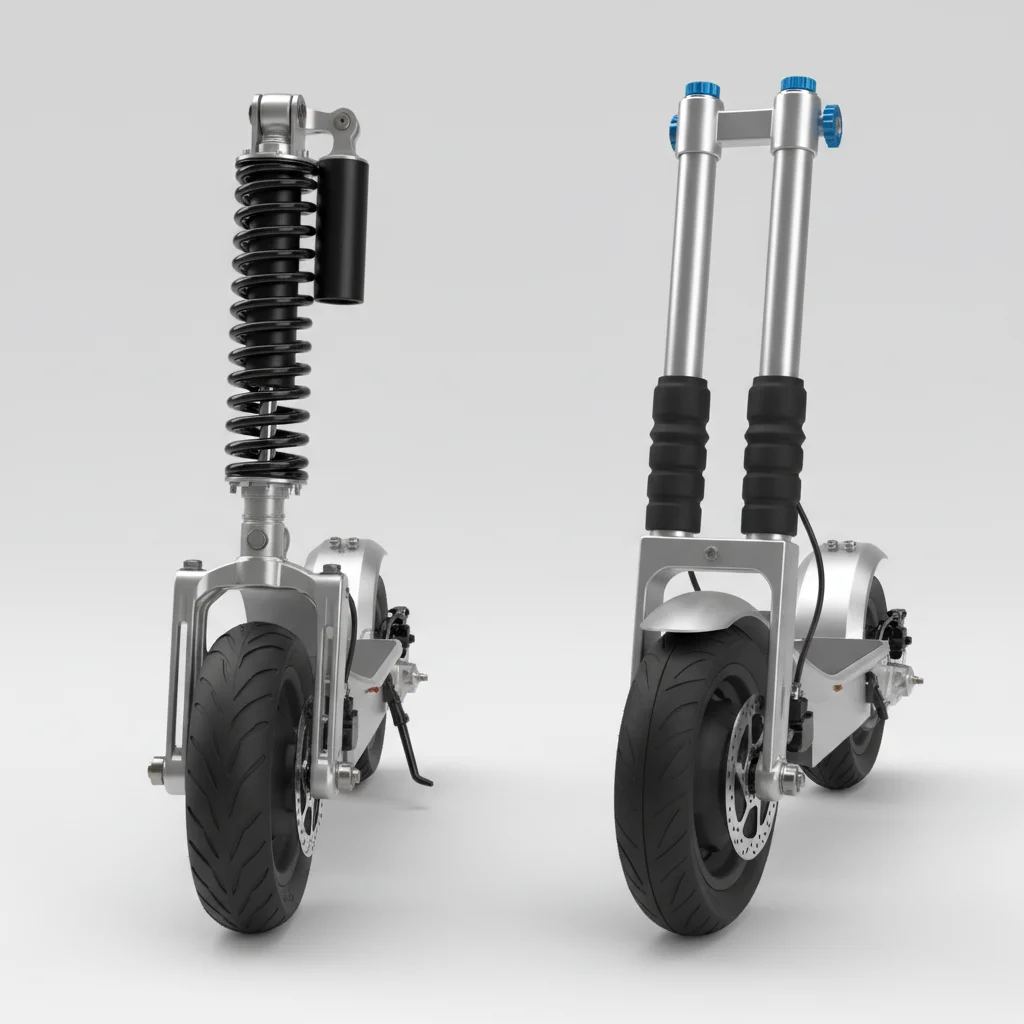
When considering electric scooter suspension, the choice between coil and hydraulic systems significantly impacts ride comfort and performance. For most urban riders seeking a balance of affordability and effective bump absorption, coil suspension offers a reliable solution. However, for those prioritizing superior damping, adjustability, and a smoother ride over varied terrain, hydraulic suspension systems provide a distinct advantage, particularly on higher-end models.
Understanding Coil Suspension Systems
Coil suspension, often found on entry-level and mid-range electric scooters, utilizes a spring to absorb shocks and vibrations. When the wheel encounters an uneven surface, the spring compresses, storing energy, and then expands, releasing that energy. This system is relatively simple, durable, and cost-effective to manufacture, making scooters with coil suspension more accessible. While effective for minor bumps and cracks, coil systems can sometimes feel bouncy or less controlled on larger impacts, as they lack the sophisticated damping mechanisms of hydraulic setups.
Maintenance for coil suspension is generally minimal, often requiring just occasional cleaning and inspection for wear. However, the adjustability is typically limited, with some models offering pre-load adjustment to stiffen or soften the ride. Riders who primarily use their scooter on well-maintained city streets will find coil suspension perfectly adequate for their needs.
Exploring Hydraulic Suspension Systems
Hydraulic suspension, also known as oil-damped suspension, incorporates a fluid (oil) to control the compression and rebound of the spring. As the suspension compresses, the oil is forced through small orifices, creating resistance that dissipates energy and prevents rapid bouncing. This damping effect results in a much smoother, more controlled ride, especially over rough terrain or when encountering significant obstacles.
High-performance electric scooters and those designed for off-road use frequently feature hydraulic suspension. These systems often come with adjustable settings for compression and rebound, allowing riders to fine-tune the suspension to their weight, riding style, and specific terrain. While offering superior performance, hydraulic systems are more complex, heavier, and generally more expensive to produce and maintain. They may require periodic fluid changes or seal replacements.
Coil vs. Hydraulic: Performance and Comfort
|
Our Picks for the Best Electric Scooter in 2026
As an Amazon Associate I earn from qualifying purchases.
|
||
| Num | Product | Action |
|---|---|---|
| 1 | Scooters for Kids 8-12, Teens & Adults - Foldable Commuter Scooter with Bell, Hand Brake & Adjustable Height, 220 LB Weight Capacity, Perfect for School, Campus, Park Rides |

|
| 2 | JBM Adult & Kid Skating Protective Gear Set for Beginner to Advanced, Skateboard Helmet Knee and Elbow Pads with Wrist Guards for Inline Roller Skating, Scooter, Skateboarding |
|
| 3 | Aero Big Wheels Kick Scooter for Kids 6+, Teens & Adults | Light Up Wheels, Hand Brake, Rubber Deck Mat & Shock Absorption | Foldable & Height Adjustable |
|
| 4 | Off Road Electric Scooter for Adult, 48V 13AH Folding E-Scooters, 800W Motor up to 25Mph & 28Miles Range,10" All Terrain Tire Scooter with Dual Suspension & Turn Signal Light |
|
| 5 | isinwheel GT1/GT2 Electric Scooter Adults, 28 MPH Top Speed, 28/37Miles Range, 800/1000W Motor, 330LBS Load, Off-Road Scooter for Adults with Turn Signal (2025 Upgraded Version) |
|
| 6 | Caroma Peak 800W/1200W Electric Scooter with Seat, Max 15/20/30Miles&20MPH, 14"/20" Tires Foldable Adult Electric Scooter with Basket for Pets & Cargo, Dual Shock Absorbing EScooter for Commuting |
|
| 7 | Electric Scooter for Adults, Up to 19/23/25Miles, Built in Side/Turn Light, 8.5/10" Honeycomb Solid Tires, Folding E-Scooter with Front/Dual Suspension |
|
| 8 | Electric Scooter for Adults Kukirin G4/G2/G2max, 60V2000W Motor Fast Scooter 43MPH&47 Miles Range, 11 Inch Off-Road Tire Long Range Electric Scooter for Adults |
|
| 9 | Aero Big Wheels Kick Scooter for Kids 6+, Teens & Adults | Light Up Wheels, Hand Brake, Rubber Deck Mat & Shock Absorption | Foldable & Height Adjustable |
|
| 10 | ZIFFY Scooter for Kids with Hand Brake, Foldable Kick Scooter for Ages 6-12, Lightweight Scooter for Boys with 4 Adjustable Heights, ABEC9 Bearings, Supports Up to 260 lbs by Jova |
|
The primary difference in performance lies in the damping capabilities. Coil suspension provides basic shock absorption, but the rebound can be abrupt. Hydraulic suspension, with its controlled damping, smooths out both the compression and extension phases, leading to a more stable and comfortable ride. This is particularly noticeable when riding over potholes, cobblestones, or uneven paths, where hydraulic systems significantly reduce rider fatigue.
- Ride Smoothness: Hydraulic offers superior damping for a smoother ride.
- Impact Absorption: Both absorb impacts, but hydraulic controls rebound better.
- Adjustability: Hydraulic systems often allow for fine-tuning of ride characteristics.
- Cost: Coil suspension is generally more affordable.
- Maintenance: Coil systems are simpler; hydraulic may require more specialized care.
Which Suspension Type is Right for You?
Choosing between coil and hydraulic suspension depends largely on your budget, intended use, and priority for ride comfort. If you’re a casual rider primarily on smooth urban paths and value affordability, a scooter with coil suspension will serve you well. It provides sufficient comfort for daily commutes without breaking the bank.
However, if you frequently encounter rough roads, desire a premium riding experience, or plan to venture off-road, investing in an electric scooter with hydraulic suspension is highly recommended. The enhanced control, stability, and comfort it provides can significantly improve your riding enjoyment and reduce strain on longer journeys. Consider your typical riding environment and how much you’re willing to spend for a superior suspension setup.
Maintenance Considerations for Both Systems
Regardless of the type, regular inspection of your electric scooter’s suspension components is crucial for longevity and safety. For coil systems, check for rust, bent springs, or loose mounting points. Keep the springs clean from dirt and debris. For hydraulic systems, periodically inspect for any oil leaks around the seals, which could indicate a need for service. Ensure all bolts and fasteners are tight. Proper maintenance ensures your suspension continues to provide effective shock absorption and contributes to a safer, more comfortable ride.
