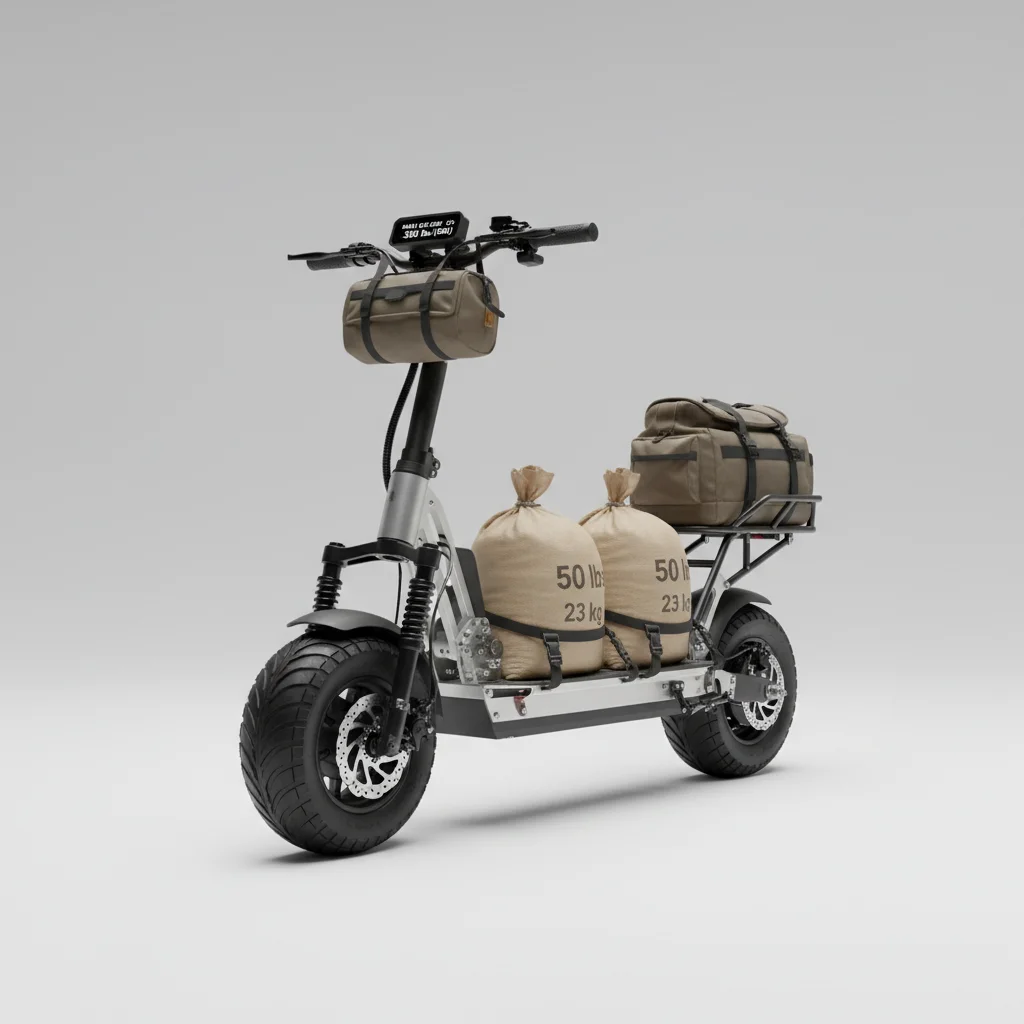
Most electric scooters can safely carry a maximum weight of 220 to 265 pounds (100 to 120 kg). This range covers the majority of consumer models, though some heavy-duty or specialized scooters can accommodate riders up to 330 pounds (150 kg) or more. Understanding your scooter’s weight capacity is crucial for both safety and performance, as exceeding it can lead to reduced speed, decreased battery range, and potential damage to components like the frame, motor, and suspension.
Understanding Weight Capacity Ratings
Manufacturers provide a maximum load capacity, which is the total weight the scooter is designed to support. This includes the rider, any backpack, groceries, or other items being carried. It’s important not to confuse this with the scooter’s own weight. Exceeding this limit puts undue stress on the frame, tires, motor, and braking system, potentially leading to premature wear, component failure, and even accidents. Always check the specifications provided by the manufacturer for your specific model.
Factors Influencing a Scooter’s Weight Limit
Several design elements contribute to an electric scooter’s weight capacity. The frame material, typically aluminum alloy or steel, plays a significant role in its structural integrity. Stronger frames can naturally support more weight. Tire type and size also matter; solid tires or larger pneumatic tires often handle heavier loads better than smaller, less robust options. The motor’s power output is another critical factor, as a more powerful motor is better equipped to move a heavier load efficiently. Finally, the suspension system, if present, is designed to absorb shocks for a specific weight range, and exceeding this can compromise its effectiveness.
Performance Impact of Exceeding the Limit
|
Our Picks for the Best Electric Scooter in 2026
As an Amazon Associate I earn from qualifying purchases.
|
||
| Num | Product | Action |
|---|---|---|
| 1 | ZIFFY Scooter for Kids with Hand Brake, Foldable Kick Scooter for Ages 6-12, Lightweight Scooter for Boys with 4 Adjustable Heights, ABEC9 Bearings, Supports Up to 260 lbs by Jova |

|
| 2 | Caroma Peak 800W/1200W Electric Scooter with Seat, Max 15/20/30Miles&20MPH, 14"/20" Tires Foldable Adult Electric Scooter with Basket for Pets & Cargo, Dual Shock Absorbing EScooter for Commuting |
|
| 3 | Electric Scooter for Adults, Up to 19/23/25Miles, Built in Side/Turn Light, 8.5/10" Honeycomb Solid Tires, Folding E-Scooter with Front/Dual Suspension |
|
| 4 | Scooters for Kids 8-12, Teens & Adults - Foldable Commuter Scooter with Bell, Hand Brake & Adjustable Height, 220 LB Weight Capacity, Perfect for School, Campus, Park Rides |
|
| 5 | Aero Big Wheels Kick Scooter for Kids 6+, Teens & Adults | Light Up Wheels, Hand Brake, Rubber Deck Mat & Shock Absorption | Foldable & Height Adjustable |
|
| 6 | Off Road Electric Scooter for Adult, 48V 13AH Folding E-Scooters, 800W Motor up to 25Mph & 28Miles Range,10" All Terrain Tire Scooter with Dual Suspension & Turn Signal Light |
|
| 7 | Electric Scooter for Adults Kukirin G4/G2/G2max, 60V2000W Motor Fast Scooter 43MPH&47 Miles Range, 11 Inch Off-Road Tire Long Range Electric Scooter for Adults |
|
| 8 | isinwheel GT1/GT2 Electric Scooter Adults, 28 MPH Top Speed, 28/37Miles Range, 800/1000W Motor, 330LBS Load, Off-Road Scooter for Adults with Turn Signal (2025 Upgraded Version) |
|
| 9 | Aero Big Wheels Kick Scooter for Kids 6+, Teens & Adults | Light Up Wheels, Hand Brake, Rubber Deck Mat & Shock Absorption | Foldable & Height Adjustable |
|
| 10 | JBM Adult & Kid Skating Protective Gear Set for Beginner to Advanced, Skateboard Helmet Knee and Elbow Pads with Wrist Guards for Inline Roller Skating, Scooter, Skateboarding |
|
Riding an electric scooter above its recommended weight limit will inevitably impact its performance. You’ll likely notice a significant reduction in top speed, especially on inclines. The battery range will also decrease, as the motor has to work harder to propel the heavier load, consuming more power. Braking distance may increase, making it harder to stop safely, and acceleration will be slower. Over time, this can lead to overheating of the motor and controller, and increased wear on tires, bearings, and the suspension, potentially shortening the scooter’s lifespan.
Choosing the Right Scooter for Your Needs
If you are a heavier rider or plan to carry significant cargo, it’s essential to choose an electric scooter specifically designed for higher weight capacities. Look for models marketed as “heavy-duty” or those with a stated maximum load of 265 pounds (120 kg) or more. These scooters often feature reinforced frames, more powerful motors, larger batteries, and robust suspension systems. Prioritizing a scooter with a comfortable margin above your actual riding weight will ensure optimal performance, safety, and durability.
- Check manufacturer specifications for exact weight limits.
- Consider your own weight plus any typical cargo.
- Look for reinforced frames and powerful motors for heavier loads.
- Prioritize models with robust braking systems.
- Test ride if possible to assess performance under load.
Maintaining Your Scooter When Nearing the Limit
Even if you are within the weight limit, if you consistently ride close to the maximum, regular maintenance becomes even more critical. Pay close attention to tire pressure, ensuring it’s always at the recommended level to prevent flats and improve efficiency. Regularly inspect the frame for any signs of stress or cracks, especially around welding points. Check the brakes frequently for wear and ensure they are properly adjusted. Keep the motor and battery clean and free from debris to prevent overheating. Adhering to a strict maintenance schedule will help prolong the life of your scooter and ensure safe operation.
