To properly store an electric scooter for winter, riders must thoroughly clean the scooter, maintain the battery at a 50-80% charge, inflate tires to recommended pressure, lubricate moving parts, and store it in a dry, temperature-controlled environment between 0°C to 25°C (32°F to 77°F). Neglecting these steps can lead to diminished battery capacity, rust, and damaged components, resulting in expensive repairs come spring. Proactive winterization protects your investment and extends the scooter’s lifespan, ensuring a reliable ride when warmer weather returns.
Essential Steps for Winterizing Your Electric Scooter
Preparing your electric scooter for its winter dormancy is crucial to safeguard its performance and structural integrity. A careful, systematic approach will prevent common cold-weather damages and save you hassle in the long run.
Thorough Cleaning and Inspection
Before stowing your electric scooter away, a meticulous cleaning is paramount. Road grime, dirt, and especially salt from winter conditions can cause corrosion if left on the scooter for extended periods. Begin by wiping down the frame, wheels, handlebars, and deck with a damp cloth and mild detergent. It’s vital to avoid high-pressure water jets, as these can force water into sensitive electrical components, leading to damage. Once clean, ensure the scooter is completely dry. This is also an opportune moment to conduct a thorough inspection for any loose screws, worn parts, or minor damages that might require attention before storage, preventing small issues from escalating.
> “Proper cleaning before storage isn’t just about aesthetics; it’s a critical defense against corrosion and long-term wear.” – Dr. Elena Petrova, Electric Vehicle Engineer
Optimal Battery Care for Cold Storage
The battery is the heart of your electric scooter and arguably the most sensitive component to cold temperatures and improper storage. Ensuring its health over winter is key to maintaining performance and longevity.
Ideal Charge Level
Contrary to popular belief, storing your electric scooter battery either fully charged or completely drained can be detrimental. The consensus among experts is to store the battery at a partial charge, typically between 50-80%. This range helps prevent over-discharge, which can permanently reduce battery capacity, and also avoids the stress of prolonged full charge that can lead to degradation over time. Check your scooter’s manual for specific manufacturer recommendations, but generally aiming for this mid-range is a safe bet.
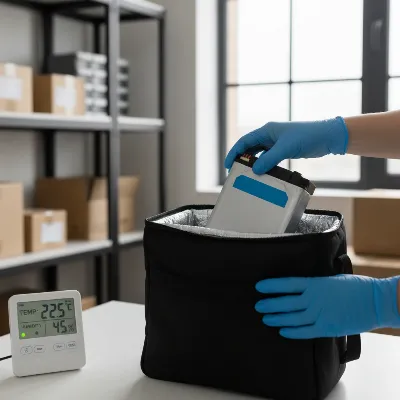 Electric scooter battery being carefully placed in a dry, room-temperature environment for winter storage
Storing the Battery Safely
The environment where your battery is stored plays a critical role in its health. Lithium-ion batteries, common in most electric scooters, prefer stable, moderate temperatures. The ideal storage temperature range is generally between 0°C to 25°C (32°F to 77°F). Avoid storing the battery in areas prone to freezing temperatures, extreme heat (such as direct sunlight), or high humidity. If your scooter allows for battery removal, it is highly recommended to detach it and store it separately indoors, away from the scooter itself, in a cool, dry, and temperature-controlled location.
Periodic Recharging
Even when not in use, lithium-ion batteries naturally lose a small amount of charge over time. To prevent deep discharge, which can cause irreversible damage, it’s crucial to check the battery’s charge level every 1-2 months and top it up if it drops significantly, aiming to bring it back into the 50-80% range. Crucially, never attempt to charge a frozen or near-freezing battery. If your battery has been exposed to very cold temperatures, allow it to warm up to room temperature for several hours before plugging it in to charge.
Tire and Moving Parts Maintenance
|
Our Picks for the Best Electric Scooter in 2026
As an Amazon Associate I earn from qualifying purchases.
|
||
| Num | Product | Action |
|---|---|---|
| 1 | JBM Adult & Kid Skating Protective Gear Set for Beginner to Advanced, Skateboard Helmet Knee and Elbow Pads with Wrist Guards for Inline Roller Skating, Scooter, Skateboarding |

|
| 2 | Electric Scooter for Adults Kukirin G4/G2/G2max, 60V2000W Motor Fast Scooter 43MPH&47 Miles Range, 11 Inch Off-Road Tire Long Range Electric Scooter for Adults |
|
| 3 | ZIFFY Scooter for Kids with Hand Brake, Foldable Kick Scooter for Ages 6-12, Lightweight Scooter for Boys with 4 Adjustable Heights, ABEC9 Bearings, Supports Up to 260 lbs by Jova |
|
| 4 | Caroma Peak 800W/1200W Electric Scooter with Seat, Max 15/20/30Miles&20MPH, 14"/20" Tires Foldable Adult Electric Scooter with Basket for Pets & Cargo, Dual Shock Absorbing EScooter for Commuting |
|
| 5 | Off Road Electric Scooter for Adult, 48V 13AH Folding E-Scooters, 800W Motor up to 25Mph & 28Miles Range,10" All Terrain Tire Scooter with Dual Suspension & Turn Signal Light |
|
| 6 | Aero Big Wheels Kick Scooter for Kids 6+, Teens & Adults | Light Up Wheels, Hand Brake, Rubber Deck Mat & Shock Absorption | Foldable & Height Adjustable |
|
| 7 | Aero Big Wheels Kick Scooter for Kids 6+, Teens & Adults | Light Up Wheels, Hand Brake, Rubber Deck Mat & Shock Absorption | Foldable & Height Adjustable |
|
| 8 | isinwheel GT1/GT2 Electric Scooter Adults, 28 MPH Top Speed, 28/37Miles Range, 800/1000W Motor, 330LBS Load, Off-Road Scooter for Adults with Turn Signal (2025 Upgraded Version) |
|
| 9 | Electric Scooter for Adults, Up to 19/23/25Miles, Built in Side/Turn Light, 8.5/10" Honeycomb Solid Tires, Folding E-Scooter with Front/Dual Suspension |
|
| 10 | Scooters for Kids 8-12, Teens & Adults - Foldable Commuter Scooter with Bell, Hand Brake & Adjustable Height, 220 LB Weight Capacity, Perfect for School, Campus, Park Rides |
|
Beyond the battery, the mechanical components of your electric scooter also require attention before winter storage to ensure they remain functional and ready for spring.
Inflate the tires to their recommended pressure before storage. Leaving tires underinflated for months can lead to flat spots, compromising ride quality and potentially requiring tire replacement. To further prevent this, consider elevating the scooter on a stand or blocks to take the weight off the tires completely. This simple step helps maintain their shape and integrity. Additionally, apply a light lubricant to all moving parts, such as the brake levers, hinges, and any suspension components. Cold weather can stiffen lubricants and contribute to rust formation, so a fresh application will protect against corrosion and ensure smooth operation when you’re ready to ride again.
Protecting Against Moisture and Corrosion
Moisture is one of an electric scooter’s worst enemies, particularly during winter. Even in indoor storage, fluctuations in temperature can lead to condensation. Ensure your storage location is as dry as possible and well-ventilated to mitigate moisture buildup. If indoor storage is not feasible, and you must store it outdoors, invest in a high-quality, waterproof, and breathable cover. However, outdoor storage, even with a cover, is not recommended due to extreme temperature fluctuations and potential for moisture ingress. Before covering or storing, it’s also wise to disconnect or remove any easily detachable accessories like lights, phone mounts, or baskets. Extreme temperatures can damage electronic accessories or weaken adhesives, so storing them separately in a safe place is best.
Choosing the Right Storage Location
The environment you choose for winter storage significantly impacts your scooter’s condition. The ideal location is indoors, in a dry, temperature-controlled space. This could be a garage (preferably insulated or heated), a basement (avoid damp, unfinished ones), or even a closet within your home if space allows. These locations provide consistent temperatures and protection from harsh elements, critical for preserving the battery and preventing rust and component degradation. Avoid unheated sheds, balconies, or any outdoor area where your scooter would be exposed to freezing temperatures, direct sunlight, heavy moisture, or significant temperature swings. A consistent, stable indoor climate is the best gift you can give your electric scooter for the winter.
Preparing Your Electric Scooter for Spring Ride
When the first signs of spring appear, and you’re eager to hit the pavement, a few steps are necessary to safely bring your electric scooter out of hibernation. This pre-ride check ensures everything is in working order after its long rest.
Post-Storage Inspection and Tune-Up
Before embarking on your first spring ride, conduct a thorough inspection of your electric scooter. Check for any visible signs of damage, wear, or loose bolts that may have developed during storage. Re-inflate the tires to their recommended pressure if you deflated them slightly or if they’ve naturally lost air. Fully recharge the battery to 100% to ensure maximum range and performance. Test the brakes to confirm they are responsive and effective. Lubricate any moving parts again if necessary. A quick tune-up and careful inspection will help you avoid unexpected problems on the road and ensure a safe, enjoyable return to riding.
Conclusion
Successfully navigating the winter months with your electric scooter boils down to preparation and diligent care. By dedicating time to thorough cleaning, meticulous battery maintenance, attention to tires and moving parts, and selecting an optimal storage environment, you are not just putting your scooter away; you are investing in its future performance and longevity. These simple, yet critical, steps ensure that when spring arrives, your electric scooter will be ready to roll, saving you from potential headaches and costly repairs. Protect your electric scooter this winter, and it will reward you with countless miles of reliable and enjoyable riding for seasons to come. What adventures will you embark on with your perfectly preserved electric scooter this spring?
Frequently Asked Questions
Can I store my electric scooter outside during winter?
Storing your electric scooter outside during winter is generally not recommended. Extreme cold, moisture, and temperature fluctuations can severely damage the battery, corrode metal components, and degrade plastic parts, leading to costly repairs and reduced lifespan.
What is the best temperature for storing an electric scooter battery?
The ideal temperature range for storing an electric scooter battery, especially lithium-ion batteries, is between 0°C to 25°C (32°F to 77°F). Stable, moderate temperatures help preserve battery health and prevent degradation.
How often should I charge my electric scooter battery during winter storage?
You should check your electric scooter’s battery charge level every 1-2 months during winter storage and top it up if it drops significantly, aiming to keep it between 50-80% charged. This prevents deep discharge and maintains battery health.
Do I need to remove the battery for winter storage?
While not always strictly necessary, removing the battery from your electric scooter and storing it separately indoors in a cool, dry place is highly recommended if your scooter allows. This provides better protection for the battery from harsh conditions.
Frequently Asked Questions
Can I store my electric scooter outside during winter?
Storing your electric scooter outside during winter is generally not recommended. Extreme cold, moisture, and temperature fluctuations can severely damage the battery, corrode metal components, and degrade plastic parts, leading to costly repairs and reduced lifespan.
What is the best temperature for storing an electric scooter battery?
The ideal temperature range for storing an electric scooter battery, especially lithium-ion batteries, is between 0u00b0C to 25u00b0C (32u00b0F to 77u00b0F). Stable, moderate temperatures help preserve battery health and prevent degradation.
How often should I charge my electric scooter battery during winter storage?
You should check your electric scooter's battery charge level every 1-2 months during winter storage and top it up if it drops significantly, aiming to keep it between 50-80% charged. This prevents deep discharge and maintains battery health.
Do I need to remove the battery for winter storage?
While not always strictly necessary, removing the battery from your electric scooter and storing it separately indoors in a cool, dry place is highly recommended if your scooter allows. This provides better protection for the battery from harsh conditions.
What happens if I store my electric scooter with a fully charged battery?
Storing an electric scooter battery fully charged for extended periods can lead to degradation over time, reducing its overall capacity and lifespan. Experts recommend a partial charge of 50-80% for optimal winter storage.
Winterizing Your Electric Scooter
Prepare your electric scooter for winter storage to ensure its longevity and performance for the next riding season.
Wipe down the frame, wheels, handlebars, and deck with a damp cloth and mild detergent, avoiding high-pressure water. Ensure the scooter is completely dry and inspect for any loose screws or worn parts that need attention.
Charge your electric scooter's battery to 50-80% before storage. Store the battery, ideally removed from the scooter, in a dry, temperature-controlled environment between 0u00b0C to 25u00b0C (32u00b0F to 77u00b0F). Check the charge every 1-2 months and top up if needed.
Inflate tires to their recommended pressure to prevent flat spots, and consider elevating the scooter to take weight off the tires. Apply a light lubricant to all moving parts like brake levers and hinges to protect against corrosion and ensure smooth operation.
Store your scooter in a dry, well-ventilated indoor space to prevent moisture buildup and corrosion. If outdoor storage is unavoidable, use a high-quality, waterproof, and breathable cover, though indoor storage is always preferred. Remove detachable accessories for separate storage.
Select an indoor, dry, and temperature-controlled location such as an insulated garage, basement, or closet. Avoid unheated sheds, balconies, or outdoor areas exposed to extreme temperatures or direct sunlight to preserve battery health and prevent component degradation.

I always dreaded winterizing my scooter, but the tip about keeping the battery between 50-80% charge was a game-changer. Last year, my battery was totally dead by spring, and I had to replace it. This year, I followed the advice, and my scooter fired right up. Thanks for saving me a headache and some cash!
Inflating the tires to the recommended pressure before storage is something I never thought about, but it makes so much sense to prevent flat spots. My tires always seemed a bit off after sitting all winter, and this simple step has made a noticeable difference in ride quality. Definitely a must-do for anyone serious about their scooter.
I tried to follow all the steps, especially the part about storing it in a temperature-controlled environment. My garage gets pretty cold, and even with a cover, I noticed some minor rust on a few bolts when I pulled it out. It’s hard to keep it above freezing without bringing it inside, which isn’t always an option.
The advice on lubricating moving parts was really helpful. I usually just clean it and forget about it, but after reading this, I made sure to hit all the joints and cables. It definitely feels smoother now that I’ve taken it out for a spin after storage. Good reminder for proper maintenance.