For bigger adults, the best heavy-duty electric scooters are engineered to support riders from 250 lbs (113 kg) up to 400 lbs (180 kg) or more, featuring reinforced frames, powerful motors (minimum 500W nominal), and advanced braking systems. These specialized scooters ensure stability, reliable performance, and enhanced safety, unlike standard models that often struggle with increased weight and demand.
Choosing the Right Heavy Duty Electric Scooter
When embarking on the journey to find an electric scooter capable of handling a heavier load, understanding the specific characteristics that define a truly heavy-duty model is paramount. It’s not just about a higher weight limit; it’s about a scooter engineered from the ground up to deliver stability, power, and durability for larger riders.
Types of Heavy Duty Electric Scooters
The market offers a variety of heavy-duty electric scooters, each designed to cater to different riding preferences and needs. Knowing these categories can help narrow down your choice. For see our electric scooter recommendations on this site.
- Commuter Heavy Duty Electric Scooters: These models prioritize a smooth, comfortable ride for daily trips. They typically feature solid frames, reliable motors, and often more compact designs, sometimes even foldable, for easy storage and transportation. Their focus is on efficiency and stability on city streets and paved paths.
- Off-Road/All-Terrain Heavy Duty Electric Scooters: Built for adventure, these scooters boast rugged designs with features like powerful dual motors, enhanced suspension systems, and large, knobby tires to tackle uneven terrain, dirt paths, and inclines with ease. They are often heavier and less portable but offer superior performance in challenging environments.
- Performance/Hyper Scooters: For those seeking exhilarating speed and immense power, performance heavy-duty scooters push the boundaries. These models come with exceptionally strong motors, advanced braking systems, and often larger batteries for extended range, all while supporting heavier riders. They are generally the most expensive and least portable.
Crucial Criteria When Selecting a Heavy Duty Electric Scooter
Choosing a heavy-duty electric scooter goes beyond just aesthetics. Key specifications directly impact performance, safety, and comfort for larger riders.
Weight Capacity
The maximum load capacity is arguably the most critical factor. Standard scooters typically cap out at 220-265 lbs (100-120 kg), which is often insufficient for bigger adults. Heavy-duty models, however, are engineered to support riders ranging from 250 lbs (113 kg) up to 400 lbs (180 kg) or more. For optimal safety and longevity, it’s recommended to choose a scooter with a weight capacity that exceeds your total riding weight (rider plus any cargo) by at least 10-30 pounds. This buffer prevents undue stress on the frame, motor, and other components, ensuring the scooter performs as intended without compromise.
Motor Power
A powerful motor is indispensable for heavier riders. Increased weight demands more torque and consistent power to accelerate smoothly, maintain speed, and conquer inclines without struggling. Look for scooters with a minimum of 500W nominal motor power. For hillier commutes or higher performance expectations, models with 750W, 1000W, or even dual motors (each 1000W+) are highly recommended. Dual motors offer superior acceleration and climbing ability, distributing the load more effectively.
Range (Battery Life)
The battery’s capacity dictates how far you can travel on a single charge. Heavier riders inherently consume battery power faster due to the increased energy required to move more mass. Therefore, a high-capacity battery is crucial to ensure an adequate range for your commute or recreational rides. Look for models with larger Watt-hour (Wh) or Amp-hour (Ah) ratings. For longer distances, a battery capacity of 500Wh or higher is advisable to prevent premature power depletion and performance drop-offs, especially on varied terrain.
Frame Material and Durability
The structural integrity of an electric scooter is paramount for heavy riders. Reinforced frames constructed from robust materials like aircraft-grade aluminum or high-tensile steel are essential. These materials provide the necessary rigidity and strength to withstand the additional strain, preventing flexing, wobbling, or structural fatigue. Always inspect the build quality, looking for solid welds and sturdy joints, which indicate a durable and long-lasting scooter.
Braking System
Effective braking is a non-negotiable safety feature, especially when carrying more momentum. For heavy-duty electric scooters, advanced braking systems are critical. Look for scooters equipped with disc brakes (mechanical or hydraulic), which offer superior stopping power compared to traditional fender brakes. Hydraulic disc brakes provide the most responsive and smooth braking experience, while regenerative braking systems can also add to efficiency by recharging the battery during deceleration. A combination of braking systems, such as front and rear disc brakes, offers the best safety and control.
Suspension System
A robust suspension system transforms your riding experience, absorbing shocks and vibrations from uneven surfaces. For heavier riders, who exert more force on the scooter, a good suspension is vital for comfort and stability. Look for models featuring dual suspension (front and rear), often incorporating spring, hydraulic, or coil-over mechanisms. These systems ensure a planted, cushioned ride, reducing rider fatigue and enhancing control, particularly on rougher roads or light off-road trails.
Tire Type
The right tires contribute significantly to ride comfort, traction, and durability. For heavy riders, pneumatic (air-filled) tires, typically 10 inches or larger, are highly recommended. They provide excellent shock absorption, cushioning the ride and offering better grip on various surfaces. Wider tires also enhance stability. Some advanced models feature tubeless or self-healing pneumatic tires, which reduce the risk of flats. While solid tires are puncture-proof, they offer less cushioning and can result in a harsher ride.
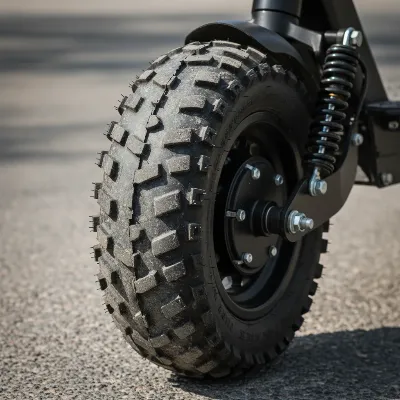 Close-up of a heavy-duty electric scooter's large, pneumatic tire on a textured road surface, emphasizing tread and robust construction.
Display Screen
A clear and intuitive display screen enhances the riding experience by providing essential information at a glance. For heavy-duty scooters, look for displays that clearly show speed, battery level, current riding mode, and mileage. A bright, easily readable screen, even in direct sunlight, contributes to safer riding by keeping you informed without excessive distraction. Some modern displays also offer smart features like app connectivity.
Safety Features
Beyond robust construction and braking, additional safety features contribute to a secure ride. Look for bright front and rear lights, often with integrated brake lights and turn signals, to ensure visibility for both the rider and others, especially during low-light conditions. Features like an audible horn, anti-theft systems (e.g., app locks), and intelligent stability systems can also add layers of protection. Always ensure the scooter complies with local regulations regarding lighting and speed.
Comparing Popular Heavy Duty Electric Scooter Models
|
Our Picks for the Best Electric Scooter in 2026
As an Amazon Associate I earn from qualifying purchases.
|
||
| Num | Product | Action |
|---|---|---|
| 1 | Electric Scooter for Adults Kukirin G4/G2/G2max, 60V2000W Motor Fast Scooter 43MPH&47 Miles Range, 11 Inch Off-Road Tire Long Range Electric Scooter for Adults |

|
| 2 | Caroma Peak 800W/1200W Electric Scooter with Seat, Max 15/20/30Miles&20MPH, 14"/20" Tires Foldable Adult Electric Scooter with Basket for Pets & Cargo, Dual Shock Absorbing EScooter for Commuting |
|
| 3 | Aero Big Wheels Kick Scooter for Kids 6+, Teens & Adults | Light Up Wheels, Hand Brake, Rubber Deck Mat & Shock Absorption | Foldable & Height Adjustable |
|
| 4 | Off Road Electric Scooter for Adult, 48V 13AH Folding E-Scooters, 800W Motor up to 25Mph & 28Miles Range,10" All Terrain Tire Scooter with Dual Suspension & Turn Signal Light |
|
| 5 | Scooters for Kids 8-12, Teens & Adults - Foldable Commuter Scooter with Bell, Hand Brake & Adjustable Height, 220 LB Weight Capacity, Perfect for School, Campus, Park Rides |
|
| 6 | Electric Scooter for Adults, Up to 19/23/25Miles, Built in Side/Turn Light, 8.5/10" Honeycomb Solid Tires, Folding E-Scooter with Front/Dual Suspension |
|
| 7 | Aero Big Wheels Kick Scooter for Kids 6+, Teens & Adults | Light Up Wheels, Hand Brake, Rubber Deck Mat & Shock Absorption | Foldable & Height Adjustable |
|
| 8 | isinwheel GT1/GT2 Electric Scooter Adults, 28 MPH Top Speed, 28/37Miles Range, 800/1000W Motor, 330LBS Load, Off-Road Scooter for Adults with Turn Signal (2025 Upgraded Version) |
|
| 9 | ZIFFY Scooter for Kids with Hand Brake, Foldable Kick Scooter for Ages 6-12, Lightweight Scooter for Boys with 4 Adjustable Heights, ABEC9 Bearings, Supports Up to 260 lbs by Jova |
|
| 10 | JBM Adult & Kid Skating Protective Gear Set for Beginner to Advanced, Skateboard Helmet Knee and Elbow Pads with Wrist Guards for Inline Roller Skating, Scooter, Skateboarding |
|
The market for heavy-duty electric scooters is expanding, offering a range of excellent options. Here’s a brief comparison of some frequently praised models, highlighting key features relevant to heavier riders.
| Model | Max Load Capacity (lbs/kg) | Motor Power (W) | Range (miles/km) | Suspension | Braking System | Key Highlight |
|---|---|---|---|---|---|---|
| VMAX VX2 Pro GT | 287 lbs / 130 kg | 48V system (high torque) | 39.6 miles / 63.7 km | Air tires | N/A | Excellent real-world range under $1,000. |
| Bolzzen Hustler 4816 | ~265 lbs / 120 kg | 800W (1104W peak) | ~43 miles / 70 km | Strong | E-ABS + F/R Disc | Strong everyday scooter for heavy commuters. |
| Segway MAX G3 | 287 lbs / 130 kg | 2000W peak | 50 miles / 80 km | Smoother, 11-inch tires | N/A | Powerful motor, excellent hill-climbing. |
| Apollo Phantom | 300 lbs / 136 kg | N/A | N/A | Triple | N/A | Built for durability and performance. |
| Kaabo Wolf King GTR | 330 lbs / 150 kg | Dual 2000W | 112 miles / 180 km | Hydraulic front, spring rear | Hydraulic disc | Ultimate hyperscooter with massive power/range. |
| NANROBOT LS7+ 72V | 330 lbs / 150 kg | Dual 3000W | N/A | Hydraulic (4 Nutt) | N/A | Extreme power, stability, and off-road capability. |
Note: Specific features and performance metrics can vary based on model year and region. Always consult the manufacturer’s latest specifications.
Where to Purchase a Reliable Heavy Duty Electric Scooter?
Acquiring a heavy-duty electric scooter requires careful consideration of the vendor to ensure quality, warranty, and support. Reputable purchases are essential for such an investment.
- Specialty Electric Scooter Stores: These brick-and-mortar stores or dedicated online retailers often have knowledgeable staff who can provide personalized recommendations, allow test rides, and offer professional assembly and after-sales service.
- Manufacturer Websites: Buying directly from the manufacturer ensures you receive an authentic product, often with the full warranty and access to direct customer support and parts.
- Large Online Retailers (with caution): While platforms like Amazon offer convenience, always verify the seller’s reputation, check customer reviews specific to heavy-duty models, and confirm warranty coverage directly with the brand.
- Check for Local Support: Regardless of where you buy, research if there are authorized service centers or repair shops in your area that can handle maintenance and repairs for your chosen brand.
Always prioritize vendors who offer clear warranty policies, accessible customer service, and a transparent return process. Reading reviews from other heavy riders on specific models and sellers can provide invaluable insights.
Important Considerations for Heavy Duty Electric Scooter Use
Owning a heavy-duty electric scooter is not just about the purchase; it’s about responsible and safe operation. These guidelines are crucial for maximizing your riding experience and ensuring your well-being.
- Read the User Manual Thoroughly: Before your first ride, familiarize yourself with your scooter’s specific features, controls, charging instructions, and maintenance schedule. Each model has unique characteristics, and understanding them is key to safe operation.
- Always Wear a Helmet: Your head is vulnerable. A well-fitted, CPSC or DOT-certified helmet is non-negotiable for every ride, regardless of distance or speed. Consider additional protective gear like knee pads, elbow pads, and gloves for enhanced safety.
- Adhere to Traffic Laws: Electric scooter laws vary by region. Understand and follow local traffic regulations, including speed limits, designated riding areas (bike lanes vs. sidewalks), and signaling requirements. Riding responsibly ensures your safety and that of others.
- Perform Regular Pre-Ride Inspections: Before each ride, take a few moments to check essential components: tire pressure, brake responsiveness, light functionality, and ensure all nuts and bolts are tight. A quick check can prevent potential malfunctions.
- Distribute Weight Evenly: Maintain a balanced stance on the scooter’s deck, keeping your feet apart and slightly bending your knees to absorb shocks. Even weight distribution improves stability, handling, and reduces strain on the scooter.
- Ride Solo: Heavy-duty scooters are designed for a single rider. Carrying passengers can overload the scooter, compromise stability, and significantly increase the risk of accidents.
Price Segments of Heavy Duty Electric Scooters
Heavy-duty electric scooters come in a range of prices, generally reflecting their build quality, motor power, battery capacity, and advanced features.
- Budget-Friendly (Under $1,000): These scooters typically offer a higher weight capacity than standard models but might have more basic features, lower top speeds, and shorter ranges. They are suitable for light commuting on flat terrain. Examples might include entry-level VMAX models.
- Mid-Range ($1,000 – $2,000): This segment offers a significant leap in performance, durability, and features. You’ll find more powerful motors (often dual), better suspension systems, enhanced braking, and longer ranges, making them suitable for varied commutes and some light off-roading. Models like the Bolzzen Hustler or Segway MAX G3 often fall into this category.
- Premium / High-Performance ($2,000+): These are the top-tier heavy-duty scooters, built with the best materials, most powerful dual motors, advanced hydraulic suspension, and extensive range. They are designed for serious enthusiasts, extreme commutes, or intense off-road adventures, offering unmatched speed, comfort, and durability. Examples include the Kaabo Wolf King series, Apollo Pro, or NANROBOT LS7+.
Generally, investing more in a heavy-duty scooter translates to better safety, reliability, and a more enjoyable riding experience for heavier individuals.
Top Picks for Heavy Duty Electric Scooters
Based on performance, durability, and features tailored for larger riders, here are a few standout recommendations across different categories:
- Best for Commuting & Value: The VMAX VX2 Pro GT offers exceptional real-world range and a powerful 48V system, providing excellent value for riders up to 287 lbs, especially for those prioritizing distance under $1,000.
- Best for All-Around Performance & Hills: The Segway MAX G3 is a strong contender, combining a 2000W peak motor and excellent hill-climbing capability with a 287 lbs capacity. Its smoother suspension and larger 11-inch tires ensure a comfortable and capable ride.
- Best for Extreme Power & Off-Road: For those demanding the absolute maximum, the Kaabo Wolf King GTR is an undisputed leader. With dual 2000W motors, a 330 lbs capacity, and advanced suspension, it’s engineered for intense speed and handling on any terrain. Similarly, the NANROBOT LS7+ 72V with its dual 3000W motors and robust hydraulic suspension is a formidable choice for power and stability.
These selections represent a blend of reliability, performance, and features that truly cater to the specific needs of heavier adult riders.
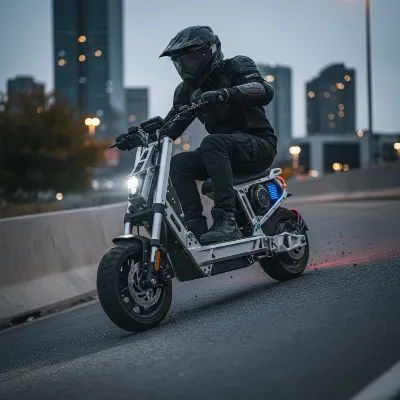 A powerful heavy-duty electric scooter with dual motors conquering a steep, paved hill, rider visible. Emphasizes strength and capability.
Heavy Duty Electric Scooter Maintenance Guide
Proper maintenance is vital for extending the lifespan, ensuring optimal performance, and preserving the safety of your heavy-duty electric scooter. The increased load on components means regular upkeep is even more critical.
- Battery Care:
- Optimal Charging: Avoid fully depleting the battery. Aim to keep the charge between 20% and 80% for most daily use. For storage, charge to around 50-70%.
- Charge Regularly: If you ride daily, charge after each use. For occasional riders, charge at least once every 2-3 weeks.
- Temperature Control: Charge and store your scooter in a cool, dry place. Extreme temperatures can degrade battery performance and lifespan. Allow the battery to cool for at least 30 minutes after a full drain before recharging.
- Use Official Charger: Always use the charger supplied by the manufacturer to prevent damage and ensure safety.
- Tire Maintenance:
- Check Tire Pressure Weekly: For pneumatic tires, maintaining the manufacturer’s recommended PSI (usually 35-50 PSI) is crucial. Correct pressure ensures stability, grip, efficiency, and prevents premature wear, which is especially important for heavier loads.
- Inspect for Wear and Damage: Regularly examine tires for cuts, punctures, cracks, or excessive tread wear. Replace worn-out tires promptly.
- Avoid Overloading: Exceeding the scooter’s maximum weight limit puts immense stress on tires, accelerating wear.
- Brake Inspection:
- Regular Checks: Inspect brake pads for wear or damage (typically need replacement every 2,000-3,000 miles).
- Test Responsiveness: Ensure brake levers are responsive and cables (for mechanical brakes) are properly tensioned and free of fraying.
- Hydraulic Brake Checks: For hydraulic systems, look for any air bubbles or leaks.
- Cleaning and Lubrication:
- Regular Cleaning: Wipe down your scooter with a damp cloth after rides to remove dirt and debris, avoiding direct water jets on electrical components.
- Lubricate Moving Parts: Apply a small amount of lubricant to hinges, bearings, and folding mechanisms every few weeks to ensure smooth operation and prevent corrosion.
- Electrical Components:
- Connection Check: Regularly inspect electrical connections to ensure they are firm and free of corrosion.
- Water Protection: Avoid exposing your scooter to heavy rain or submerging it. Check the IP rating for water resistance.
- Regular Inspections:
- Weekly: Check brakes, tires, and battery charge.
- Monthly: Tighten screws and bolts, inspect the frame for cracks, and check folding mechanisms.
- Quarterly/Bi-Annually: Perform a deep clean, lubricate thoroughly, test electronics, and inspect cables.
> “For heavy-duty electric scooters, consistent maintenance isn’t just about prolonging the lifespan; it’s a critical safety measure. Every component works harder, so keeping them in prime condition prevents potential failures and ensures a reliable ride.” – Admin, ReviewMyPlay.com, Electric Scooter Expert
Conclusion
Finding the ideal heavy-duty electric scooter when you’re a bigger adult can improve your commute and recreational rides, offering a blend of freedom, efficiency, and exhilaration. By prioritizing crucial features like high weight capacity, powerful motors, robust frames, advanced suspension, and reliable braking systems, you can confidently select a model engineered to meet your specific needs. a well-chosen heavy-duty scooter, coupled with diligent maintenance and adherence to safety guidelines, will provide countless miles of smooth, stable, and enjoyable journeys. What heavy-duty electric scooter features are most important to you for your next ride?
Frequently Asked Questions
What is the maximum weight an electric scooter can hold?
While standard electric scooters typically support up to 220-265 lbs (100-120 kg), heavy-duty models are specifically designed to accommodate larger riders, often capable of carrying between 250 lbs (113 kg) and 400 lbs (180 kg) or more, thanks to their reinforced frames and powerful motors.
Do heavier riders drain electric scooter batteries faster?
Yes, heavier riders will generally drain an electric scooter’s battery faster than lighter riders. The increased weight requires the motor to work harder, consuming more power to maintain speed and tackle inclines, thus reducing the overall range of the scooter on a single charge.
What tire type is best for heavy adult electric scooter riders?
Pneumatic (air-filled) tires, especially those 10 inches or larger, are generally recommended for heavy adult electric scooter riders. They offer superior shock absorption, providing a smoother and more comfortable ride, and better grip on varied surfaces compared to solid tires, which can be harsh.
Frequently Asked Questions
What is the maximum weight an electric scooter can hold?
Heavy-duty electric scooters are designed to carry between 250 lbs (113 kg) and 400 lbs (180 kg) or more. This is significantly higher than standard models, which typically support up to 220-265 lbs (100-120 kg), due to their reinforced frames and powerful motors.
Do heavier riders drain electric scooter batteries faster?
Yes, heavier riders generally drain an electric scooter's battery faster. The increased weight forces the motor to work harder, consuming more power to maintain speed and climb inclines, which reduces the scooter's overall range on a single charge.
What tire type is best for heavy adult electric scooter riders?
Pneumatic (air-filled) tires, especially those 10 inches or larger, are highly recommended for heavy adult electric scooter riders. They provide superior shock absorption for a smoother, more comfortable ride and offer better grip on various surfaces compared to less cushioned solid tires.
What motor power is recommended for heavy-duty electric scooters?
For heavy-duty electric scooters, a minimum of 500W nominal motor power is recommended for heavier riders. For hillier commutes or higher performance, models with 750W, 1000W, or even dual motors (each 1000W+) are highly advisable to ensure smooth acceleration and climbing ability.
How often should I perform maintenance on a heavy-duty electric scooter?
Consistent maintenance is crucial for heavy-duty electric scooters. Weekly checks should include tire pressure, brakes, and battery charge. Monthly, tighten screws and bolts and inspect the frame, while quarterly or bi-annual deep cleans and lubrication are recommended.
What are the key safety features to look for in a heavy-duty electric scooter?
Key safety features for heavy-duty electric scooters include bright front and rear lights (with brake lights and turn signals), an audible horn, and advanced braking systems like disc brakes. These features enhance visibility and control, especially important for heavier riders.
Maintain Your Heavy Duty Electric Scooter
Proper maintenance is crucial for extending the lifespan, ensuring optimal performance, and preserving the safety of your heavy-duty electric scooter, especially given the increased load on its components.
Avoid fully depleting the battery; aim to keep the charge between 20% and 80% for daily use, and 50-70% for storage. Charge regularly after each use or every 2-3 weeks for occasional riders, always using the manufacturer's official charger.
Check pneumatic tire pressure weekly, maintaining 35-50 PSI to ensure stability and prevent wear. Regularly inspect tires for damage and brake pads for wear (replace every 2,000-3,000 miles), ensuring levers are responsive and cables are free of fraying.
Wipe down your scooter with a damp cloth after rides, avoiding direct water on electrical components. Apply a small amount of lubricant to hinges, bearings, and folding mechanisms every few weeks to ensure smooth operation and prevent corrosion.
Regularly inspect all electrical connections to ensure they are firm and free of corrosion. Avoid exposing your scooter to heavy rain or submerging it, and always check its IP rating for water resistance to protect sensitive electronics.
Conduct weekly checks on brakes, tires, and battery charge. Monthly, tighten all screws and bolts, inspect the frame for any cracks, and check folding mechanisms. Quarterly or bi-annually, perform a deep clean, thoroughly lubricate all moving parts, test electronics, and inspect all cables for wear.

Finally, a scooter that doesn’t feel like a toy! I weigh about 260 lbs, and the stability of the scooter I chose (one of the models supporting up to 350 lbs) is incredible. The advanced braking system gives me so much confidence, especially when I’m riding in city traffic. It’s truly engineered for larger riders, not just given a higher weight limit.
I picked up one of the scooters with a 750W motor, and the power is fantastic for getting up hills in my neighborhood. It really makes a difference compared to my old standard scooter that would just crawl. My only minor complaint is that the battery life isn’t quite as long as I hoped when I’m really pushing it, but it’s still good enough for my daily commute.
I’ve been looking for a scooter that could actually handle my weight (around 280 lbs) without feeling like it was going to fall apart. The reinforced frame on the Apollo Ghost mentioned here is a game-changer. It feels incredibly stable, even at higher speeds, and the braking system is super responsive. Definitely recommend for anyone in the ‘bigger adult’ category.
I appreciate the focus on scooters for riders over 250 lbs. I got a model with a 500W motor, and while it handles my weight fine, I wish it had a bit more acceleration from a dead stop. It’s not bad, but sometimes I feel like I’m holding up traffic for a second or two. The build quality is solid though, no complaints there.